
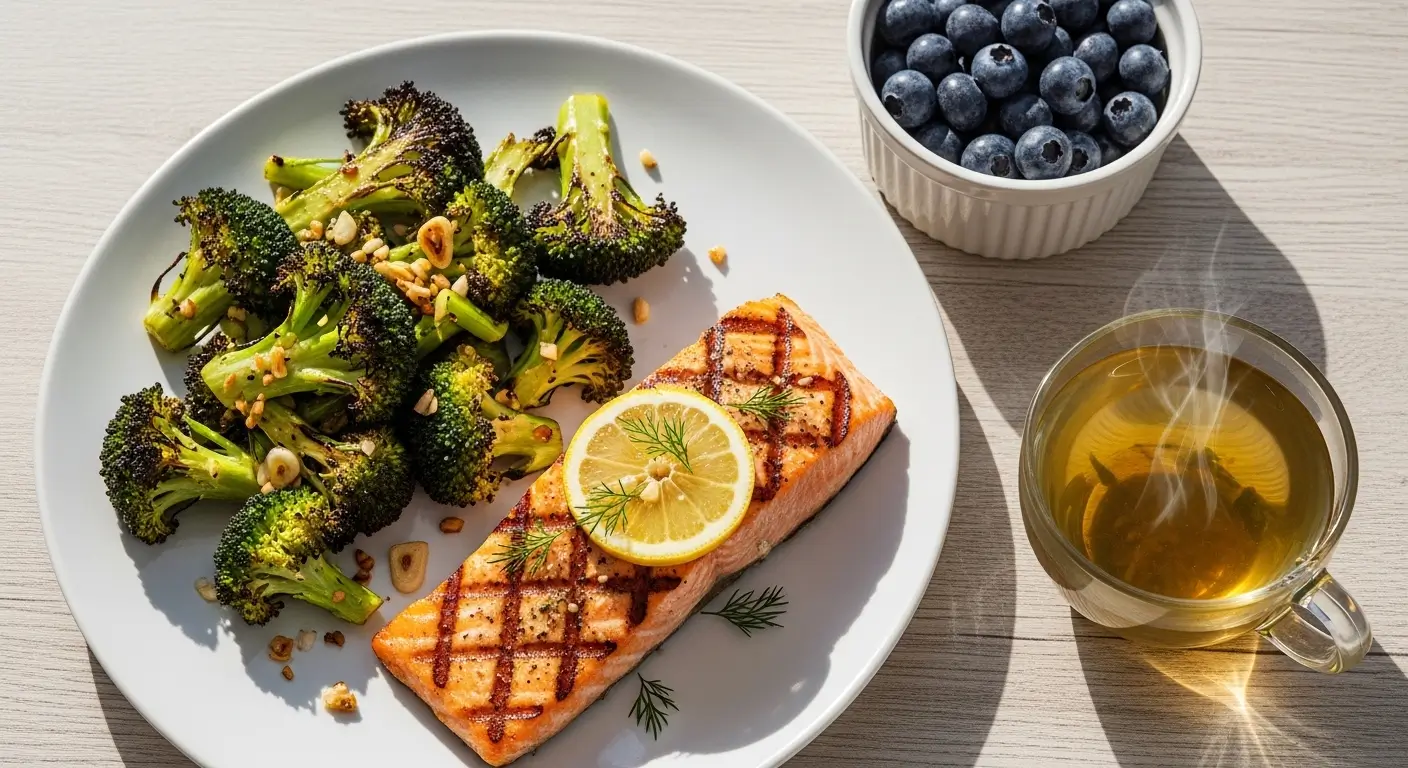
Comprehensive Guide to Anti-Inflammatory Diet for Arthritis: Discover how specific foods can reduce joint pain and stiffness. This evidence-based guide explores the best anti-inflammatory meals to manage arthritis symptoms naturally and improve your quality of life.
Table of Contents
Living with arthritis often feels like an unpredictable battle against your own body. Whether it’s the sharp sting of osteoarthritis or the systemic fatigue of rheumatoid arthritis, the quest for relief usually leads to a cabinet full of medications. But what if the most powerful tool for managing your inflammation wasn’t in a pharmacy, but in your kitchen? I’ve seen firsthand how shifting from processed “convenience” foods to a targeted anti-inflammatory diet for arthritis can be a total game-changer. It’s not just about “eating healthy”—it’s about choosing specific molecular compounds in food that actively dampen the inflammatory fires in your joints. 😊
Understanding the Science: How an Anti-Inflammatory Diet Impacts Arthritis 🔬
Inflammation is a natural defense mechanism, but in arthritis, the “off switch” is broken. Chronic inflammation leads to the degradation of cartilage and bone. Research published in the Journal of Clinical Medicine suggests that dietary patterns, specifically the Mediterranean style, significantly lower C-reactive protein (CRP) levels—a key marker of systemic inflammation.
When we talk about an anti-inflammatory diet for arthritis, we are focusing on phytonutrients, antioxidants, and Omega-3 fatty acids. These substances inhibit the production of pro-inflammatory cytokines like TNF-alpha, which are often the targets of expensive biologic drugs. By incorporating these foods, you are essentially providing your body with a “natural biologic” to support joint health.
Top Foods in an Anti-Inflammatory Diet for Arthritis Pain Relief 🥗
If you want to build a plate that fights pain, you need to prioritize diversity. Here are the heavy hitters that every arthritis warrior should have in their pantry:
1. Fatty Fish: The Omega-3 Powerhouse
Salmon, mackerel, sardines, and trout are rich in EPA and DHA. These Omega-3s compete with arachidonic acid to reduce the production of inflammatory prostaglandins. A meta-analysis in the journal Nutrients found that regular fish oil consumption significantly reduced joint tenderness and morning stiffness in rheumatoid arthritis patients.
2. Berries and Anthocyanins
Blueberries, strawberries, and raspberries aren’t just sweet treats. They contain anthocyanins, which have an anti-inflammatory effect similar to NSAIDs (like ibuprofen). They help neutralize free radicals that would otherwise damage joint tissue.
3. Cruciferous Vegetables
Broccoli, Brussels sprouts, and cabbage contain sulforaphane. According to a study by the Mayo Clinic, sulforaphane can block enzymes that cause joint destruction in osteoarthritis.
The “Inflammation Trigger” Foods to Avoid ⚠️
Knowing what to eat is only half the battle. You must also identify the “fuel” you might be adding to the fire. An effective anti-inflammatory diet for arthritis requires cutting back on:
- Added Sugars: High glucose levels trigger the release of cytokines.
- Trans Fats: Found in fast foods and processed snacks, these are known to trigger systemic inflammation.
- Refined Carbohydrates: White bread and pasta fuel the production of advanced glycation end products (AGEs) that stimulate inflammation.
- Excessive Alcohol: Alcohol can increase CRP levels and weaken the gut barrier, leading to “leaky gut” related inflammation.
Practical Implementation: Your Anti-Inflammatory Meal Plan 📝
Transitioning to a new way of eating can be overwhelming. Let’s make it simple. Here is a sample day reflecting a high-potency anti-inflammatory diet for arthritis:
| Meal Time | Recommended Menu Item |
|---|---|
| Breakfast | Steel-cut oats with walnuts, chia seeds, and blueberries. |
| Lunch | Spinach and kale salad topped with grilled salmon and olive oil dressing. |
| Dinner | Baked turmeric chicken with roasted broccoli and quinoa. |
| Snack | A handful of almonds or a cup of green tea. |
The Role of Spices: Turmeric and Ginger 🌶️
Don’t overlook your spice cabinet. Turmeric contains curcumin, a compound that has been shown in multiple clinical trials to be as effective as some anti-inflammatory drugs for knee osteoarthritis pain, but without the gastrointestinal side effects. To maximize absorption, always consume turmeric with black pepper (piperine). Ginger also contains gingerols and shogaols which inhibit inflammatory pathways similarly to aspirin.
💡 Pro Tip for Success: Focus on the “Crowding Out” method. Instead of obsessing over what you can’t eat, focus on filling your plate with so many colorful vegetables and healthy fats that there’s simply no room left for the processed stuff. It’s much more sustainable for long-term arthritis management!
Summary: Key Takeaways for Arthritis Relief 📝
Successfully managing arthritis through diet is a marathon, not a sprint. Consistency is your best friend.
- Prioritize Omega-3s: Aim for fatty fish at least twice a week.
- Eat the Rainbow: Different colors represent different phytonutrients that fight joint damage.
- Use Anti-Inflammatory Spices: Liberally use turmeric, ginger, and garlic in your cooking.
- Hydrate with Tea: Green and white teas are rich in EGCG, which helps preserve cartilage.
Frequently Asked Questions about Anti-Inflammatory Diet for Arthritis ❓
Q: How long does it take for an anti-inflammatory diet for arthritis to work?
A: While some notice a difference in 2-3 weeks, most clinical studies show significant results after 3 to 6 months of consistent dietary changes. Patience is key!
Q: Are nightshades (tomatoes, eggplant) bad for arthritis?
A: For most people, there is no scientific evidence that nightshades cause inflammation. However, some individuals may have a specific sensitivity. Try an elimination diet to see if they affect you personally.
Q: Can I drink coffee on an anti-inflammatory diet for arthritis?
A: Yes! Coffee contains polyphenols and other antioxidant compounds. As long as you aren’t loading it with sugar and processed creamers, it can be part of an anti-inflammatory lifestyle.
Starting an anti-inflammatory diet for arthritis is one of the kindest things you can do for your joints. It’s about empowering yourself to take control of your health. If you’ve tried specific foods that helped your joint pain, I’d love to hear about them in the comments below! Let’s support each other in this journey to pain-free living. 😊
Medical Disclaimer: This article is for informational purposes only and does not substitute for professional medical advice, diagnosis, or treatment. Always seek the advice of your physician or other qualified health provider with any questions you may have regarding a medical condition.