
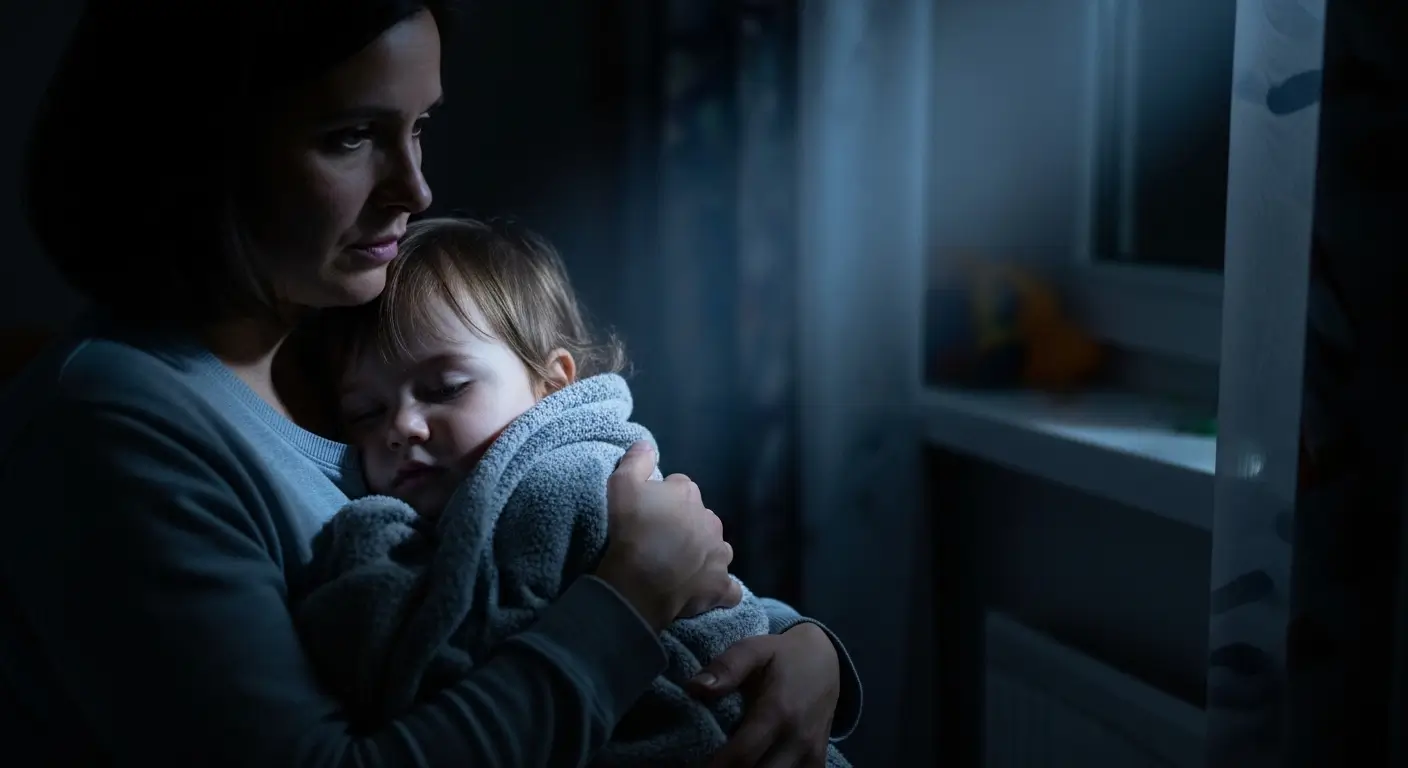
It usually happens around 2:00 AM. You are jolted awake by a sound that doesn’t even seem human—a harsh, seal-like barking coming from your child’s bedroom.
Table of Contents
If you have experienced this, you know the immediate surge of adrenaline and fear that follows. This distinct sound is the hallmark of Croup Cough (Laryngotracheobronchitis), a common yet startling respiratory condition that affects thousands of infants and toddlers every year. While the sound is terrifying, understanding the mechanics of the virus and knowing how to manage it can turn a midnight crisis into a manageable recovery. 😊
Understanding Croup Cough: What is Laryngotracheobronchitis? 🩺
Croup is not just a “bad cough.” Technically known as laryngotracheobronchitis, it is an upper airway infection that triggers swelling in the larynx (voice box), trachea (windpipe), and bronchial tubes. When a child breathes, air is forced through these narrowed passages, resulting in the signature “bark.” According to pediatric data, Croup typically affects children between 6 months and 3 years of age, primarily because their airways are much smaller and more susceptible to obstruction from inflammation.
The primary culprit is usually the Parainfluenza virus (HPIV), specifically types 1 and 2. However, other viruses like RSV, influenza, and adenoviruses can also trigger symptoms. It is most prevalent during the fall and winter months. Interestingly, medical research suggests that some children are “croupers,” meaning they have a genetic or physiological predisposition to develop these symptoms whenever they catch a standard cold.
The Three Signature Signs of Croup Cough in Children 🐕
Identifying Croup early is essential for effective home management. Most cases begin with standard cold symptoms—a runny nose and a mild fever—but evolve rapidly into these three definitive clinical signs:
1. The Distinct Barking Cough
This is the most famous symptom. Because the vocal cords are swollen, the cough produces a sound remarkably similar to a seal’s bark or a dog’s bark. It is often described as “brassy” or “metallic.” Honestly, once you hear it, you never forget it.
2. Inspiratory Stridor (The Scary Sound)
Stridor is a high-pitched, whistling sound heard when the child breathes in. This occurs because the upper airway is so restricted that air creates turbulence as it passes through. While mild stridor only occurs when the child is crying or active, persistent stridor at rest is a sign that the airway is significantly narrowed.
3. Hoarseness and Voice Changes
Since the infection sits directly on the vocal cords, your child’s voice will likely sound raspy, or they may lose their voice entirely during the peak of the illness.
Immediate Benefits of Home Management for Croup Cough 🏠
In most cases, Croup is a self-limiting viral illness that can be managed effectively at home. Here are the Benefits of specific home care strategies to soothe your child’s inflamed airways:
- 💨 Benefit of Steam Therapy: Take your child into a bathroom, close the door, and run a hot shower to create a “sauna” effect. The warm, moist air helps to lubricate the vocal cords and can provide immediate relief from a coughing fit. Sit there for 15-20 minutes while reading a book to keep them calm.
- ❄️ Benefit of Cold Air Exposure: This might sound counterintuitive, but cold air is a natural vasoconstrictor. If it’s cold outside, bundle your child up and take them out for 5 minutes. If not, open the freezer door and let them breathe the cool mist. The cold air helps shrink the swelling in the larynx almost instantly.
- 💧 Benefit of Continuous Hydration: Fluids are vital. Warm water, clear broths, or herbal teas help thin out mucus and prevent the throat from drying out. Avoid heavy dairy if it seems to thicken the phlegm, but the most important thing is simply keeping them drinking.
- 🛌 Benefit of Elevated Resting Positions: Use extra pillows to prop up the child’s upper body (only if they are old enough to use pillows safely). Gravity helps reduce the pressure on the chest and makes breathing less laborious during the night.
- 🧘 Benefit of Calmness: When a child panics or cries, their breathing becomes rapid and shallow, which actually pulls the airway even tighter. As a parent, your calm demeanor is your best tool. Keeping the child relaxed is a clinical necessity, not just a comfort measure.
Fact-Check: What the Clinical Research Says 📚
Recent studies published in journals like The Lancet Infectious Diseases emphasize that while humidity is a traditional remedy, the use of Dexamethasone (a corticosteroid) has become the gold standard for moderate Croup. A single dose of oral steroids can significantly reduce the need for hospital admission by decreasing airway edema within 2 to 6 hours.
Furthermore, the “Cold Air” theory—long dismissed as an old wives’ tale—was recently supported by clinical trials showing that exposure to outdoor temperatures below 10°C (50°F) led to a faster reduction in Westley Croup Scores compared to room-temperature air.
⚠️ Critical Warning: When to Seek Emergency Care
While 95% of Croup cases are mild, it can turn into a medical emergency if the airway becomes too narrow. Seek immediate medical attention if you notice:
| Symptom | What It Means |
|---|---|
| Cyanosis | Bluish tint around the lips, skin, or nails (Lack of oxygen). |
| Retractions | The skin “sucking in” around the ribs or neck when breathing. |
| Drooling | Inability to swallow saliva (Could indicate Epiglottitis). |
| Lethargy | Child is unusually drowsy or difficult to wake. |
Frequently Asked Questions (FAQ) about Croup Cough ❓
Is Croup Cough contagious?
Yes, very much so. Since it is caused by viruses like Parainfluenza, it spreads through respiratory droplets. However, while one child might get Croup from the virus, another child (or adult) might just get a regular cold.
How long does Croup usually last?
The “barking” cough typically lasts for 3 to 5 days and is worst on the second or third night. The remaining cold symptoms can linger for up to two weeks.
Can adults get Croup?
It is rare for adults to have the “barking” cough because our airways are much wider and harder to obstruct. Adults usually just experience laryngitis or a standard sore throat from the same virus.
Should I give my child OTC cough medicine?
Generally, no. Over-the-counter cough and cold medicines are not recommended for children under 4 (and often up to 6) and they do not treat the underlying swelling in Croup.
Medical Disclaimer: This article is for informational purposes only and does not substitute for professional medical advice, diagnosis, or treatment. Always seek the advice of your physician or other qualified health provider with any questions you may have regarding a medical condition. Never disregard professional medical advice or delay in seeking it because of something you have read here.