

The 2026 Cultural Shift: If you’ve scrolled through social media lately, you’ve likely seen the rise of the ’90s Butter Mom Aesthetic. This isn’t just a trend; it’s a profound generational repair story, moving us away from restrictive diet culture and toward a life of warmth, intention, and “soft” luxury.
Table of Contents
As we navigate the complexities of 2026, the cultural zeitgeist has undergone a radical transformation. We are collectively stepping away from the hyper-optimized, fast-paced modern lifestyle that defined the early 2020s and returning to something softer, warmer, and much more forgiving. This movement has crystallized into what we now call the ’90s Butter Mom Aesthetic—the ultimate lifestyle rebellion taking over our homes and hearts.
But what exactly is a “butter mom,” and why is this concept resonating so deeply with millennials and Gen Z parents today? It’s more than just a fleeting fashion trend or a viral hashtag. The butter mom represents a profound generational re-evaluation of how we approach food, parenting, self-image, and daily routines. In this comprehensive guide, we will explore the origins of this aesthetic, how it serves as a “repair story” for those raised by “almond moms,” and how you can seamlessly incorporate this intentional, quiet luxury lifestyle into your own daily rhythm.
Defining the ’90s Butter Mom Aesthetic in 2026 🧈
The ‘90s butter mom aesthetic is perhaps the most honest description of how many women actually want to live right now. It isn’t just about opting out of modern life; it is about choosing to slow down within it. The metaphor of “butter” is incredibly apt: butter is soft, it melts, and it enriches everything it touches without asserting itself aggressively. It is generous, humble, and represents the most basic, fundamental luxury.
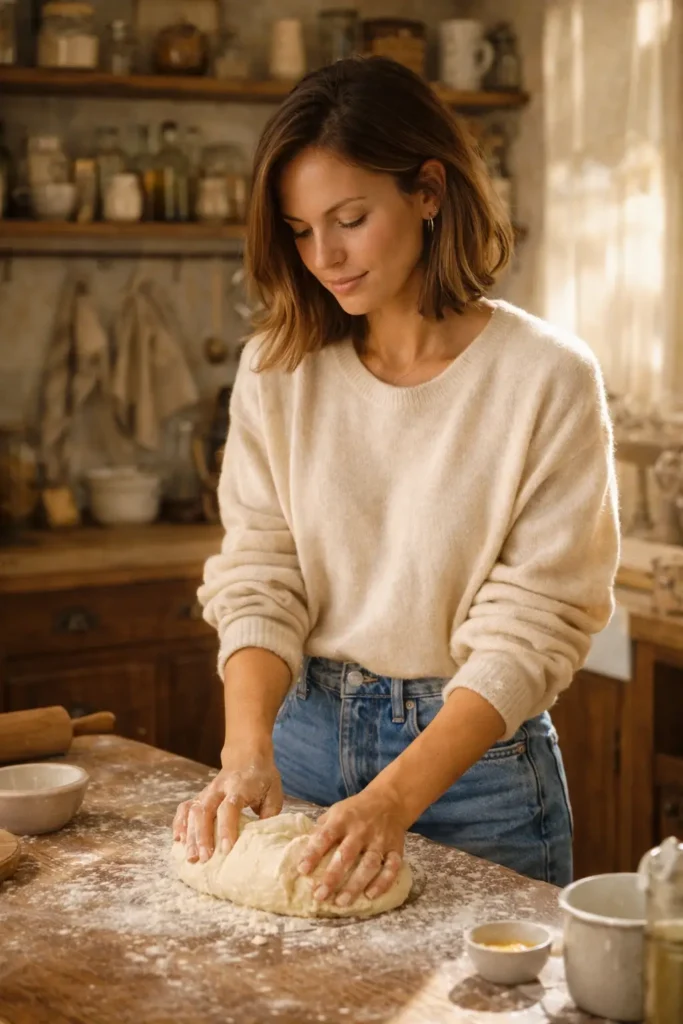
This trend draws heavy inspiration from the 1990s—a time before smartphones, constant social output, and hyper-processed convenience foods dominated our existence. It evokes images of mothers who cooked from scratch, wore relaxed denim, and allowed their homes to look lived-in rather than staged for a digital audience. For many, this is a romanticization of a slower era, acting as a direct counter-narrative to the toxic “almond mom” culture.
The Nostalgic Core of the Butter Mom Trend
The 1990s represent a bridge between the analog and digital worlds. By 2026, we’ve realized that the “optimization” of every waking second has led to burnout. The butter mom aesthetic looks back at the ’90s not for its technology, but for its vibe—the tactile nature of baking bread, the weight of a heavy cotton sweater, and the simple joy of a family dinner where the focus is on the taste of the food rather than its caloric density.
Comparing Mom Archetypes: Almond Mom vs. Butter Mom ⚖️
To truly understand the ’90s butter mom aesthetic, we must first look at the landscape of modern motherhood and the archetypes that define it today. Social media has become a cultural mirror, highlighting how diet culture and wellness are passed down through generations.
The Almond Mom: A Legacy of Restriction
The term “almond mom” gained massive traction after resurfaced reality TV clips highlighted a deeply ingrained, diet-centric approach to parenting. This archetype is rooted in restriction, calorie awareness, and the moral labeling of food as “good” or “bad.” According to research published in the Journal of Adolescent Health, parental focus on weight and dieting can significantly increase the risk of disordered eating in children. In 2026, the almond mom is viewed as a cautionary tale—a representation of generational trauma tied to body policing.
The Butter Mom: The Soft Antidote
Positioned as the direct antidote to restriction, the butter mom represents ease and abundance. She firmly rejects food morality. In her household, butter, sugar, and homemade bread are not “cheats”—they are normalized parts of everyday life. This philosophy aligns with Intuitive Eating, a framework developed by Evelyn Tribole and Elyse Resch, which emphasizes listening to internal hunger cues rather than external diet rules. The ’90s butter mom aesthetic is the visual and emotional manifestation of this freedom.
The Gummy Bear Mom: The Balanced Realist
Sitting between these extremes is the “gummy bear mom.” She emphasizes moderation and realism. She doesn’t restrict treats, but she doesn’t necessarily bake everything from scratch either. It is the middle ground for those who want balance without the pressure of aesthetic perfection.
The Pillars of a Butter Mom Lifestyle: Fashion, Food, and Home 🏠
Living the ’90s butter mom aesthetic requires a holistic approach. It rests on several interconnected pillars that reinforce the idea of quality over quantity.
1. Fashion: The Evolution of Quiet Luxury
The butter mom does not chase fast fashion. Instead, she curates a wardrobe built to last, drawing from the “quiet luxury” that defined ’90s icons like Carolyn Bessette-Kennedy. The color palette revolves around cream, ivory, warm butter, and earthy neutrals. Think relaxed silhouettes: high-quality denim, vintage overalls, and crisp linen shirts. Brands like Jenni Kayne or Toteme represent this effortless confidence.
2. Nutrition: Intentional and Generous Nourishment
At the heart of the identity is a love for real food. This means reclaiming the kitchen as a soulful space. By turning away from ultra-processed foods (UPFs), which 2026 health studies have increasingly linked to metabolic fatigue, the butter mom focuses on scratch-made breads, pastas, and seasonal vegetables. Food is a source of joy, not a metric of discipline.
3. Home Design: The Beauty of Being Lived-In
A butter mom’s home is functional and unpretentious. You won’t find sterile, hyper-modern spaces here. Instead, imagine open shelving with mismatched ceramic bowls, vintage jars, and natural light. It feels collected over time, deeply personal, and, above all, inviting to children and guests alike.
4. Beauty: The Skin-vestment Approach
Her beauty routine is minimal but effective. Instead of a 15-step viral routine, she focuses on “skin-vestments”—high-quality, scientifically proven formulations that provide a rested, glowing look. It’s about longevity rather than a quick fix.
Why 2026 is the Year of the Butter Mom Rebellion ✊
The answer is simple: we are collectively exhausted. The modern world demands constant optimization—work, side hustles, social media documentation, and perfect low-calorie meals. The ’90s butter mom aesthetic offers a radical form of permission. It gives us permission to slow down and prioritize comfort.
💡 Key Insight: For Millennials and Gen Z, embracing this aesthetic is a form of generational repair. It is a conscious choice to raise children without the inherited shame or fear tied to eating and body image.
Navigating Cultural Nuance and Inclusivity
It is important to acknowledge that the ’90s butter mom trend has its nuances. Critics note that the “return” to scratch-cooking is a privilege. In many global communities, mothers never left this lifestyle because it was a necessity. The true takeaway should not be visual perfection, but the underlying message: live with intention and allow life to bring you joy, regardless of your economic constraints.
How to Channel Your Inner ’90s Butter Mom ✨
You do not need a trust fund to embody this energy. It is a democratic aesthetic that relies on intention:
- Invest Slowly: Buy one high-quality, timeless piece of clothing or a kitchen pot that will last decades.
- Reframe Food: Stop categorizing food as “good” or “bad.” Enjoy butter and bake bread intuitively.
- Curate Lived-In Spaces: Let go of the need for a spotless, magazine-ready home. Display what you love.
- Protect Your Time: Say no to obligations that drain you. Reclaim your mornings for a slow coffee.
Frequently Asked Questions about the ’90s Butter Mom Aesthetic ❓
What is the main difference between an Almond Mom and a Butter Mom?
The primary difference lies in their relationship with food and restriction. An Almond Mom follows a diet-centric, restrictive approach rooted in food morality. A Butter Mom embraces abundance, intuitive eating, and the normalization of ingredients like real butter and sugar without guilt.
Why is the ’90s aesthetic so important to this trend?
The 1990s represent a pre-digital era where life felt slower and less “staged.” The aesthetic draws from the relaxed fashion and scratch-cooking habits of that decade to create a sense of groundedness in our modern, tech-saturated world.
Does being a Butter Mom mean I have to cook everything from scratch?
Not necessarily. While scratch-cooking is a core pillar, the heart of the aesthetic is intention. It’s about choosing quality and rejecting the pressure of diet culture, whether that’s through a homemade loaf of bread or simply enjoying a meal without tracking calories.
Is the ’90s Butter Mom Aesthetic just for parents?
While it’s rooted in a parenting rebellion, anyone can adopt the butter mom energy. It is a mindset focused on self-care, slow living, and emotional well-being that transcends family status.
The 2026 butter mom aesthetic is far more than a passing internet trend; it is a profound return to the basics. It teaches us that life does not need to be complicated to be beautiful, that softness is not weakness, and that true luxury is found in ease and intention. Take a deep breath, brew your coffee slowly, and enjoy the beautiful simplicity of the butter mom life. 😊