
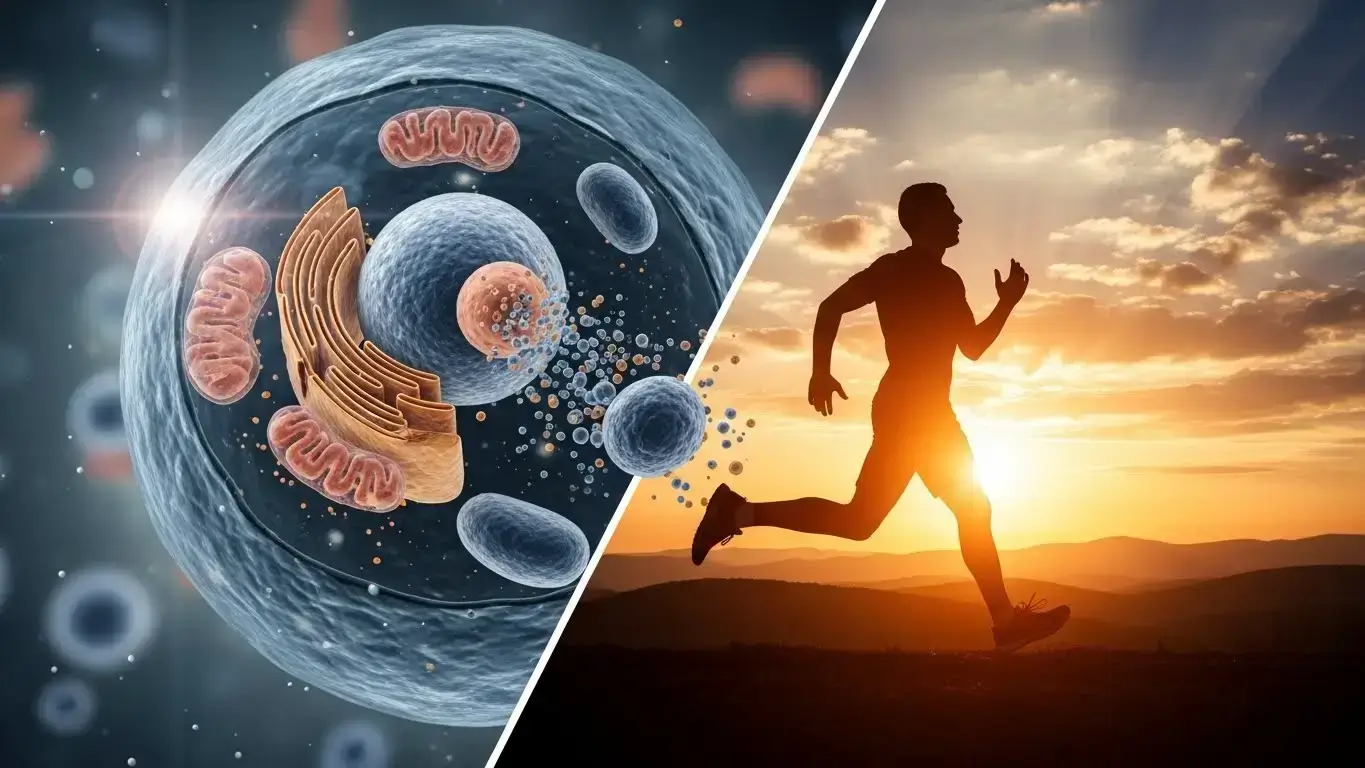
Unlock the powerful intermittent fasting benefits for anti-aging and longevity. Discover how autophagy, hormonal balance, and cellular repair can extend your healthspan naturally.
Table of Contents
- The Science: Why We Age and How Fasting Helps
- Autophagy: The Cellular “Cleanup” Mechanism
- Metabolic Flexibility and Intermittent Fasting Benefits for Anti-Aging
- Visual Guide: The Fasting Schedule Timeline
- Real World Evidence: Case Studies & Experiences
- Beginner’s Guide: How to Start for Longevity
- Important Precautions and Safety First
In the pursuit of eternal youth, we often look to expensive creams, supplements, and futuristic therapies. But what if the most potent “fountain of youth” is not what you eat, but when you eat? As a health researcher who has analyzed nutritional biochemistry for years, I’ve seen trends come and go. However, the science backing intermittent fasting benefits for anti-aging and longevity is not just a trend—it is an evolutionary mechanism hardwired into our DNA.
This isn’t just about dropping a few pounds for summer. It is about flipping a biological switch that transitions your body from “growth mode” to “repair mode.” In this comprehensive review, we will move beyond the surface-level advice and dive deep into how fasting impacts your cells, mitochondria, and ultimately, your lifespan.
The Science: Why We Age and How Fasting Helps
To understand the power of fasting, we first need to understand aging. Biologically, aging is essentially the accumulation of cellular damage. Over time, our cells become cluttered with waste products, misfolded proteins, and dysfunctional mitochondria (the power plants of our cells).
When we are constantly in a fed state—eating three meals plus snacks daily—our bodies are perpetually in an anabolic (growth) state. While growth is necessary, constant growth without repair accelerates aging. It’s like throwing a party in your house every single day without ever stopping to clean up. Eventually, the house becomes unlivable.
Intermittent fasting benefits for anti-aging and longevity stem from a process called hormesis. This is a beneficial biological stress response. Just as exercise stresses muscles to make them stronger, the mild stress of fasting triggers genes that protect cells and extend lifespan.
Autophagy: The Cellular “Cleanup” Mechanism
If there is one technical term you should take away from this article, it is Autophagy.
Derived from the Greek words for “self-eating,” autophagy is the body’s internal recycling program. In 2016, Yoshinori Ohsumi won the Nobel Prize in Physiology or Medicine for his discoveries of mechanisms for autophagy, cementing its importance in medical science.
How Fasting Triggers Cellular Repair
When you fast, your insulin levels drop, and a nutrient-sensing pathway called mTOR (Target of Rapamycin) is suppressed. When mTOR is low, autophagy is upregulated. Here is what happens:
- Detoxification: Cells hunt down viruses, bacteria, and damaged components.
- Recycling: Broken down proteins are recycled into new amino acids for building healthy cells.
- Mitochondrial Health: A specific type of autophagy, called mitophagy, removes dysfunctional mitochondria, which reduces oxidative stress—a key driver of aging.
Without periods of fasting, this cleanup process becomes sluggish, leading to the cellular clutter associated with Alzheimer’s, cancer, and premature aging.
Metabolic Flexibility and Intermittent Fasting Benefits for Anti-Aging
Aging is often accompanied by insulin resistance and metabolic inflexibility. This means your body struggles to switch between burning glucose (sugar) and burning fat.
Intermittent fasting restores metabolic flexibility. By depleting glycogen stores, your body learns to efficiently burn fat for fuel, producing ketone bodies. Ketones are not just fuel; they are signaling molecules that reduce inflammation.
“Chronic inflammation, or ‘inflammaging,’ is the silent killer behind heart disease and cognitive decline,” notes recent research in the New England Journal of Medicine. Fasting has been shown to lower inflammatory markers like CRP and TNF-alpha, essentially cooling down the inflammatory fire within your body.
Visual Guide: The Fasting Schedule Timeline
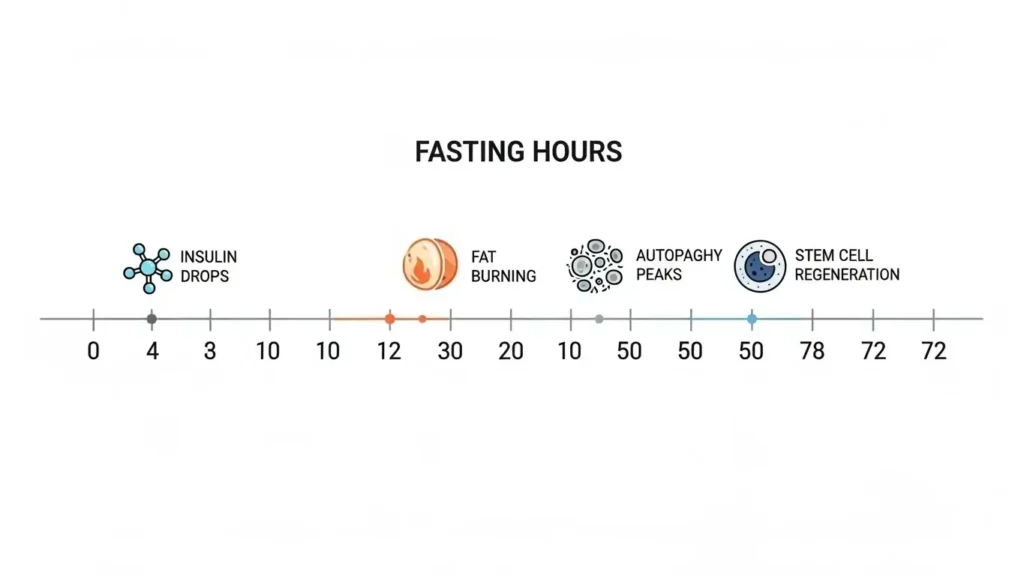
Understanding what happens to your body hour-by-hour can help you stay motivated. Here is a breakdown of the physiological changes during a fast:
⏳ The Longevity Timeline
- 4-8 Hours: Blood sugar falls. All food has left the stomach. Insulin stops being produced.
- 12 Hours: Food consumed has been burned. The digestive system goes to sleep. The body begins the healing process. Human Growth Hormone (HGH) begins to increase.
- 16 Hours (The Magic Window): The body ramps up fat burning. Autophagy begins to kick in mildly. This is the most common target for daily fasting (16:8).
- 24 Hours: Autophagy increases dramatically. Inflammation drops significantly. HGH levels may increase by up to 2,000% in men and 1,300% in women to preserve muscle.
- 48+ Hours: Immune system regeneration. Stem cell production is triggered, repairing damaged tissues.
Real World Evidence: Case Studies & Experiences
While lab studies on mice are compelling, human experiences validate the intermittent fasting benefits for anti-aging and longevity. Let’s look at a typical profile of a long-term faster.
Case Study: The “Brain Fog” Breakthrough
Sarah, a 52-year-old marketing executive, reported feeling biologically older than her age—sluggish, suffering from joint pain, and experiencing mental fog. After consulting her physician, she adopted a 16:8 fasting protocol.
The Results:
- Week 2: Cravings for sugar diminished.
- Month 3: Significant reduction in joint pain (lower inflammation).
- Year 1: Sarah reported “mental clarity” reminiscent of her 20s. Her blood work showed improved insulin sensitivity and lower oxidative stress markers.
These anecdotal reports align with findings from the “Blue Zones”—regions where people live the longest. While they don’t explicitly call it “intermittent fasting,” many Blue Zone populations naturally practice time-restricted eating, eating a light dinner early and fasting until breakfast.
Beginner’s Guide: How to Start for Longevity
If you are new to this, do not jump into a 3-day water fast. Consistency beats intensity when it comes to longevity.
1. The 12:12 Reset (The Entry Point)
Start simply. If you finish dinner at 7 PM, do not eat breakfast until 7 AM. This allows your digestive system a full 12 hours of rest.
2. The 16:8 Protocol (The Gold Standard)
This is the most researched method for intermittent fasting benefits for anti-aging and longevity. You consume all your calories within an 8-hour window (e.g., 12 PM to 8 PM) and fast for 16 hours. This is sufficient to trigger mild autophagy daily.
3. What to Consume During the Fast
To maximize anti-aging benefits, “clean fasting” is essential:
- Water: Still or sparkling (unflavored).
- Black Coffee: No sugar, no cream.
- Tea: Green tea or herbal tea (unsweetened). Green tea contains catechins which further support autophagy.
Important Precautions and Safety First
While the benefits are profound, fasting is a stressor. For most, it is a healthy stress (eustress), but it is not suitable for everyone.
⚠️ Who Should Avoid Fasting?
- Individuals who are underweight or have a history of eating disorders.
- Pregnant or breastfeeding women.
- Children and teenagers.
- People with Type 1 diabetes or those taking medication for blood sugar/blood pressure (unless monitored closely by a doctor).
Always consult your doctor: Before making significant changes to your diet, especially if you have pre-existing conditions. Fasting can alter how your body metabolizes medication.
Final Thoughts on Longevity
Intermittent fasting is not a diet; it is a lifestyle calibration. It aligns our modern lives with our ancient biology. By giving your body a break from digestion, you allow it to focus on what matters most: repair, renewal, and longevity. Start slow, listen to your body, and embrace the clarity that comes with an empty stomach.
Frequently Asked Questions
Q: Does intermittent fasting actually slow down aging?
A: Yes, research suggests that by triggering autophagy and reducing oxidative stress, fasting addresses the root causes of biological aging.
Q: How many hours do I need to fast for autophagy?
A: Significant autophagy typically kicks in after 16-18 hours of fasting.
Q: Can I drink supplements while fasting?
A: Avoid gummy vitamins or protein powders. Pure electrolytes or minerals are usually fine, but calories break the fast.
Medical Disclaimer: This content is for informational purposes only and does not constitute medical advice, diagnosis, or treatment. Always seek the advice of your physician or other qualified health provider with any questions you may have regarding a medical condition.