
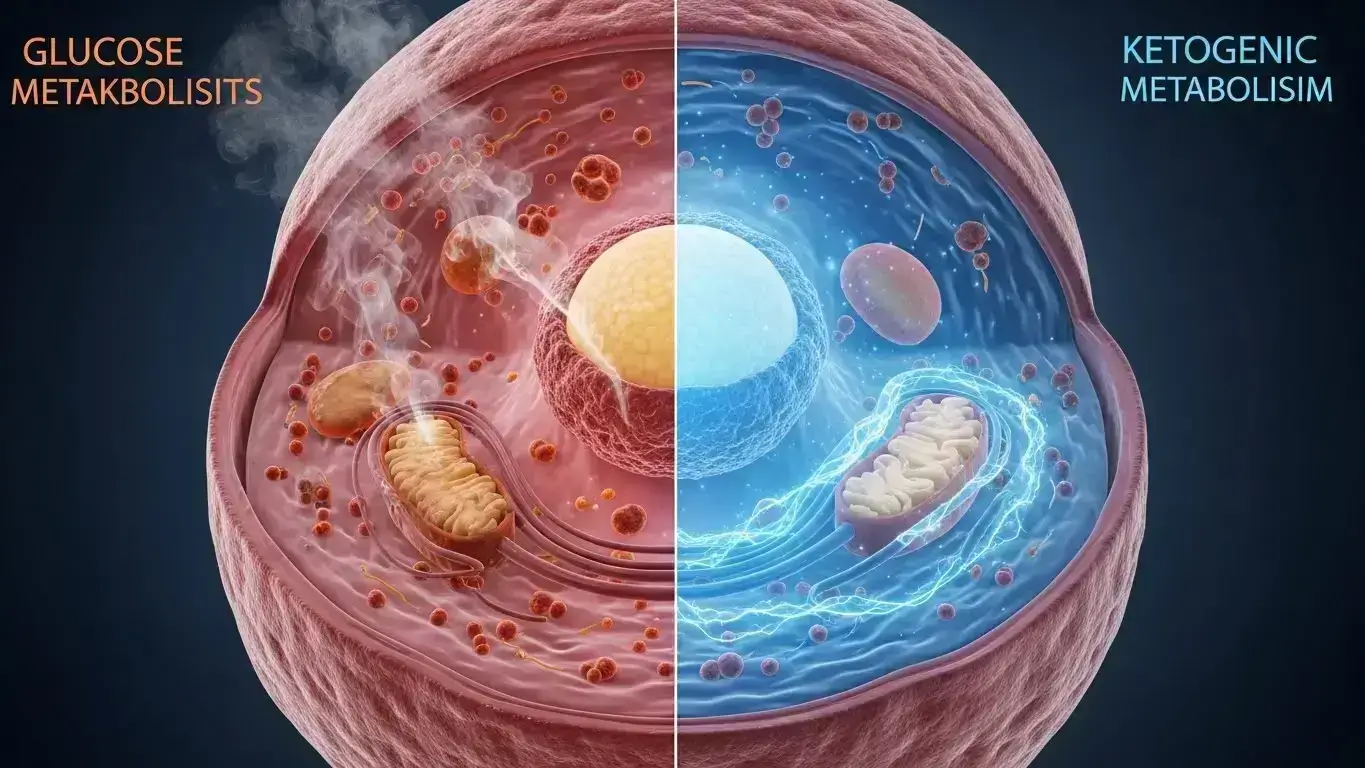
Unlock the ketogenic diet anti-aging effects on metabolism. Explore how ketosis reduces oxidative stress, boosts mitochondrial health, and promotes longevity.
For years, the conversation around the ketogenic diet has been dominated by weight loss. But if we peel back the layers of hype, we find something far more profound. We find a metabolic shift that might just be the closest thing we have to a biological “rewind” button.
As we age, our cellular machinery gets tired. Our metabolism becomes less flexible, and inflammation begins to simmer quietly in the background. This is where the ketogenic diet anti-aging effects on metabolism come into play. It isn’t just about burning fat; it’s about changing how your cells create energy.
In this deep dive, we are going to move beyond the scale and look at the cellular magic of ketosis. From protecting your mitochondria to reducing “inflammaging,” here is how high-fat, low-carb living could be your key to longevity.
Let’s explore the science of staying young from the inside out. 🧬
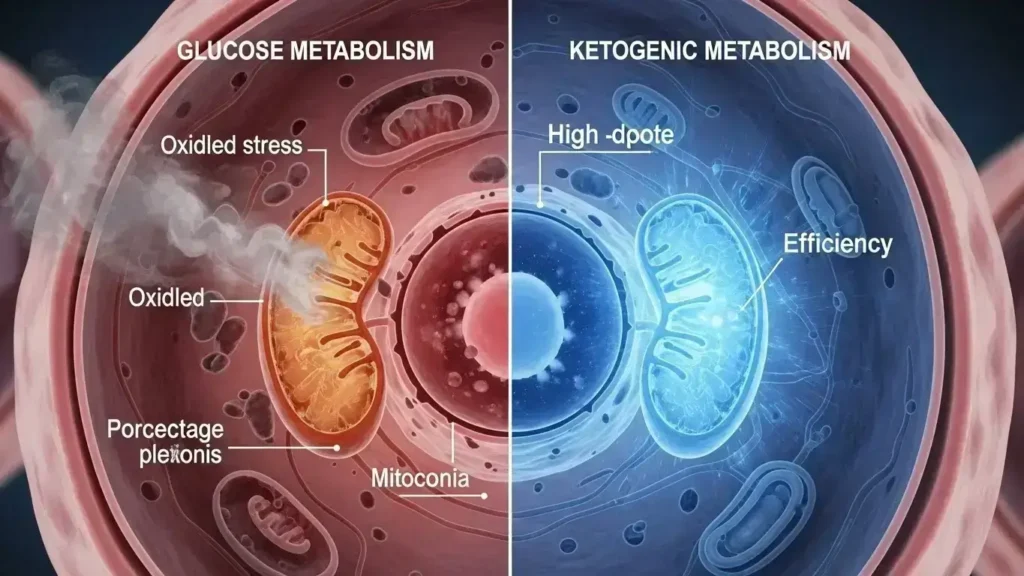
Table of Contents
- 1. The Metabolic Shift: How Keto Changes Aging
- 2. Ketosis and Mitochondrial Health: The Power Plant of Youth
- 3. Reducing Inflammation and Oxidative Stress with Keto
- 4. Visualizing the Metabolic Difference
- 5. A “Clean Keto” Diet Example for Longevity
- 6. Long-Term Effects and Sustainability
- 7. Frequently Asked Questions (FAQ)
The Metabolic Shift: How Keto Changes Aging 🔄
To understand the ketogenic diet anti-aging effects on metabolism, we first need to understand the concept of “dirty fuel” versus “clean fuel.”
Most modern diets rely heavily on glucose (sugar) for energy. While glucose is a quick energy source, burning it creates a significant amount of metabolic waste, known as Reactive Oxygen Species (ROS). Over decades, this waste accumulates, damaging our DNA and cell membranes. This is a primary driver of aging.
When you switch to a ketogenic diet, your body transitions from burning glucose to burning ketones (produced from fat). Ketones, specifically Beta-Hydroxybutyrate (BHB), are a much “cleaner” fuel. They burn more efficiently and produce fewer free radicals. This shift doesn’t just help you lose weight; it fundamentally alters the rate at which your cells degrade.
Ketosis and Mitochondrial Health: The Power Plant of Youth ⚡
If there is one word you need to know regarding aging, it is Mitochondria. These are the tiny power plants inside your cells. As we age, our mitochondria become sluggish and die off.
Mitochondrial Biogenesis
Research suggests that the ketogenic diet stimulates mitochondrial biogenesis—the creation of new, fresh mitochondria. By providing a cleaner fuel source (ketones), we essentially reduce the workload on these power plants, allowing them to repair and replicate. This leads to better energy levels and improved cognitive function, which are often the first things to decline as we get older.
Reducing Inflammation and Oxidative Stress with Keto 🛡️
Chronic inflammation is often called “Inflammaging.” It is the slow, persistent fire that burns out our systems, leading to arthritis, heart disease, and skin aging.
The ketogenic diet anti-aging effects on metabolism shine brightly here. The ketone body BHB is not just a fuel; it is a signaling molecule. It inhibits the NLRP3 inflammasome, a complex of proteins that triggers inflammation.
- Lower Insulin Levels: High insulin is a pro-inflammatory state. Keto drastically lowers circulating insulin.
- Reduced Glycation: Excess sugar bonds to proteins in a process called glycation (creating AGEs – Advanced Glycation End-products). This is what causes wrinkles and stiff arteries. No sugar means less glycation.
- Autophagy Activation: Ketosis mimics the fasting state, triggering cellular “cleanup” (autophagy), where the body recycles damaged cells.
Visualizing the Metabolic Difference 📊
Let’s look at the metabolic efficiency difference between a standard diet and a ketogenic approach regarding aging markers.
Glucose vs. Ketone Metabolism Impact
Oxidative Stress (Free Radicals)
Glucose
Ketones
Metabolic Flexibility
Glucose
Ketones
A “Clean Keto” Diet Example for Longevity 🥑
Not all keto is created equal. Eating processed bacon and cheese all day might get you into ketosis, but it won’t help with anti-aging. For longevity, we focus on Clean Keto—rich in Omega-3s, antioxidants, and fiber.
💡 Insight: The goal is to lower inflammation. Choose grass-fed meats, wild-caught fish, and organic low-carb vegetables over processed deli meats.
Sample Anti-Aging Keto Day
- Breakfast: Scrambled eggs with spinach and turmeric (powerful anti-inflammatory), cooked in grass-fed butter or coconut oil.
- Lunch: Large salad with arugula, sardines or salmon (high Omega-3), avocado, pumpkin seeds, and extra virgin olive oil dressing.
- Dinner: Roasted cruciferous vegetables (broccoli/cauliflower) with a grass-fed steak or mackerel.
- Snack: A handful of walnuts or macadamia nuts (supports brain health).
Long-Term Effects and Sustainability of Keto ⏳
Can you stay on keto forever? While many people do, for anti-aging, flexibility is often key. Long-term adherence to a ketogenic lifestyle has shown to protect cognitive function and reduce the risk of neurodegenerative diseases like Alzheimer’s.
However, some experts suggest Cyclical Ketosis for longevity. This involves staying in ketosis for most of the time but allowing for strategic carbohydrate intake (e.g., seasonal fruits) occasionally. This ensures metabolic flexibility—the ability of your body to switch between fuels seamlessly, which is the ultimate sign of a youthful metabolism.
Frequently Asked Questions (FAQ) ❓
Q: Does the ketogenic diet slow down skin aging?
A: Yes, largely by reducing sugar intake. Excess sugar leads to glycation, which damages collagen and causes wrinkles. Keto minimizes this process, potentially keeping skin firmer for longer.
Q: Is keto safe for older adults?
A: Generally, yes, and it can be beneficial for preserving cognitive health. However, older adults must ensure they consume enough protein to prevent muscle loss (sarcopenia) and should consult a doctor before starting.
Q: How long does it take to see metabolic benefits?
A: While you may enter ketosis within a few days, “fat adaptation”—where your cells efficiently run on fat—usually takes 4 to 6 weeks. The deep anti-aging benefits build up over months.
Q: Can keto help with menopause symptoms?
A: Many women report that keto helps stabilize the blood sugar fluctuations and insulin resistance that often worsen during menopause, potentially alleviating hot flashes and mood swings.
The ketogenic diet anti-aging effects on metabolism go far beyond simple weight management. By adopting this lifestyle, you are essentially cleaning up your body’s energy grid, reducing the wear and tear of daily life, and protecting your brain and body for the future. It’s a commitment to cellular excellence.
Are you ready to fuel your body for the long haul? Share your thoughts or experiences with keto in the comments below! 😊
Disclaimer: This article is for informational purposes only and does not substitute for professional medical advice, diagnosis, or treatment. Always seek the advice of your physician or other qualified health provider with any questions you may have regarding a medical condition.
“Ketogenic Diet Anti-Aging Effects on Metabolism: The Ultimate Guide”에 대한 1개의 생각