
Let’s be honest: there is nothing—and I mean nothing—more distracting than a relentless itchy scalp. It’s that prickling sensation that strikes right when you’re in a meeting or trying to sleep. If you are dealing with sensitive skin, allergies, or a chronic condition like psoriasis, this isn’t just a nuisance; it’s a quality-of-life issue.
As we step into 2026, the scalp care market has exploded. We aren’t just looking at head-and-shoulders anymore. We have sophisticated microbiomes-balancing serums and nutrient-dense oils. But this abundance creates a new problem: Analysis Paralysis.
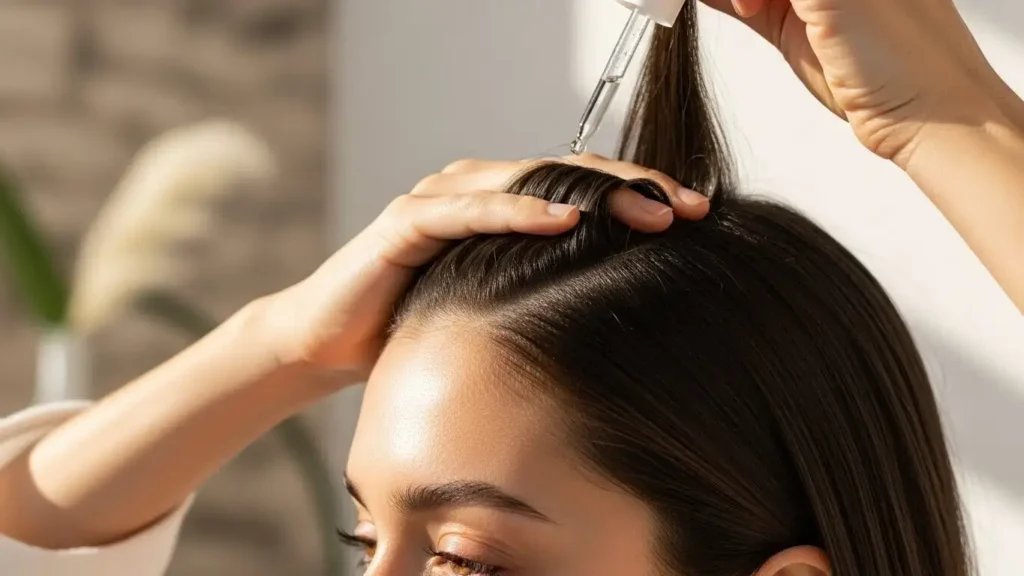
Should you be hydrating or sealing? Do you need a lightweight serum or a rich oil? If you pick the wrong one, you risk greasy roots or, worse, a psoriasis flare-up.
In this guide, strictly tailored for women aged 25–45 navigating skin sensitivities, we are going to settle the debate: Best Scalp Serums vs. Oils for Itchy Scalp 2026. We will dive deep into barrier repair, ingredients that actually calm inflammation, and how to layer these products like a pro.
Table of Contents
- 1. The Core Difference: Hydration vs. Moisture
- 2. Deep Dive: Best Scalp Serums for Itchy Scalp
- 3. Deep Dive: Best Scalp Oils for Psoriasis and Dryness
- 4. Comparison Chart: Serums vs. Oils
- 5. The Sensitivity Factor: Allergies & Psoriasis
- 6. How to Apply for Maximum Relief (The Sandwich Method)
- 7. Frequently Asked Questions
The Core Difference: Hydration vs. Moisture
Before we start buying products, we need to understand the biology of your itch. Many people use “hydration” and “moisture” interchangeably, but in the world of trichology (scalp care), they are distinct enemies of the itch.
Think of your scalp like a sponge. A dry, hard sponge needs water to soften (Hydration). Once it’s wet, you need a way to keep that water from evaporating (Moisture/Occlusion).
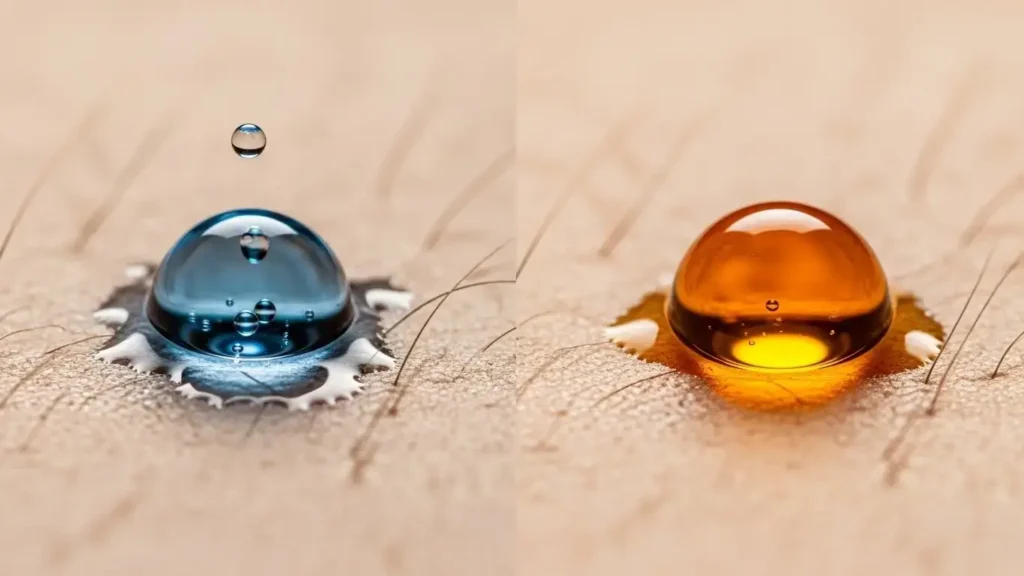
- Scalp Serums (The Drink of Water): These are usually water-based or aloe-based. They have a small molecular structure designed to penetrate into the scalp layers. They deliver active ingredients like Hyaluronic Acid, Niacinamide, or medicinal extracts directly to the follicle.
- Scalp Oils (The Sealant): These are lipid-based. They have a larger molecular structure. They typically sit on top of the scalp to repair the lipid barrier, soften psoriasis plaques, and prevent water loss (TEWL – Transepidermal Water Loss).
The Golden Rule for 2026: If your itch feels tight and hot, you likely need a serum. If your itch is accompanied by flakes, plaques, or rough texture, you likely need an oil.
Deep Dive: Best Scalp Serums for Itchy Scalp
Serums are the heroes of 2026. The technology has advanced to include “bio-mimetic” ingredients that mimic your scalp’s natural chemistry. For women dealing with hormonal shifts or stress-induced itching, serums are often the safer bet because they don’t clog follicles.
Why Choose a Serum?
If you have fine hair, an oily scalp that is paradoxically itchy (seborrheic dermatitis), or live in a humid climate, serums are your best friend. They absorb instantly and leave no residue.
Key Ingredients to Look For in 2026
- Exosomes & Peptides: The buzzwords of 2026. These signal your scalp cells to repair themselves and reduce inflammation at a cellular level.
- Centella Asiatica (Cica): An absolute must for allergy-prone skin. It instantly calms redness.
- Prebiotics & Postbiotics: An itchy scalp is often a sign of a microbiome imbalance. Serums feeding good bacteria are essential for long-term relief.
💡 Pro Tip for Allergy Sufferers: Always patch-test serums behind your ear. Even water-based natural extracts like peppermint or tea tree can trigger contact dermatitis in sensitive individuals.
Deep Dive: Best Scalp Oils for Psoriasis and Dryness
For my readers battling Psoriasis or extreme dryness, a lightweight serum might evaporate too quickly. You need the heavy artillery. Oils in 2026 have moved away from basic coconut oil (which can be drying over time) to sophisticated lipid complexes.
Why Choose an Oil?
Oils provide immediate physical relief. They lubricate the tight skin surface and soften hard plaques, making them easier to remove without damaging the skin. They mimic the sebum your scalp should be producing but isn’t.
The Best Oils for Itchy Scalp in 2026
When selecting the Best Scalp Oils for Itchy Scalp, avoid heavy oils that suffocate the scalp (like pure shea butter or mineral oil). Instead, opt for:
- Squalane Oil: Derived from sugarcane or olives, this mimics human sebum almost perfectly. It’s hypoallergenic and safe for fungal acne or seborrheic dermatitis prone scalps.
- Jojoba Oil: Technically a wax ester, it creates a breathable barrier that keeps allergens out and moisture in.
- Black Seed Oil (Nigella Sativa): A powerhouse for psoriasis. It contains thymoquinone, which has potent anti-inflammatory and antihistamine properties.
Comparison Chart: Serums vs. Oils
Still undecided? Let’s break it down side-by-side to help you make the best decision for your unique skin ecosystem.
| Feature | Scalp Serum | Scalp Oil |
|---|---|---|
| Primary Function | Hydration & Treatment Delivery | Nourishment & Barrier Sealing |
| Texture | Watery, Gel-like, Lightweight | Viscous, Rich, Slippery |
| Absorption Speed | Fast (Seconds) | Slow (Minutes to Hours) |
| Best For… | Oily Itch, Dandruff, Thin Hair | Dry Itch, Psoriasis, Thick Hair |
| 2026 Trend | Microbiome Balancers | Fermented Oils |
The Sensitivity Factor: Allergies & Psoriasis
This is where standard advice often fails. If you have a compromised skin barrier, “natural” isn’t always better. Essential oils are common triggers for allergies.
Navigating Scalp Psoriasis
For psoriasis, the turnover of skin cells is too fast. You need ingredients that slow this down and soften the buildup. Salicylic Acid (often found in serums) helps exfoliate, while Castor Oil or Coal Tar derivatives (found in oils) help reduce the plaque thickness.
How to Apply for Maximum Relief (The Sandwich Method)
Can’t decide between the best scalp serums vs oils for itchy scalp? Why not use both? For chronic itchiness, I recommend the “Moisture Sandwich” technique.
- Step 1: Cleanse. Apply to a clean scalp. Buildup prevents penetration.
- Step 2: Hydrate (Serum). While the scalp is slightly damp, apply a water-based soothing serum. Part your hair in sections to ensure it touches the skin, not just the hair.
- Step 3: Seal (Oil). Once the serum has absorbed (give it 5 minutes), take 3-4 drops of a lightweight oil (like Squalane) and massage it over the itchiest areas. This locks the serum in.
⚠️ Caution: If you have Seborrheic Dermatitis (yeast-based dandruff), skip Step 3 or strictly use MCT oil or Squalane. Most other oils feed the yeast and will make the itch worse.
Frequently Asked Questions
Q: Can I use scalp oil if I have fine, thin hair?
A: Yes, but timing is key. Use it as a “pre-poo” treatment. Apply the oil 20 minutes before you shower, let it soften the scalp, and then wash it out. This gives you the benefits without the flat, greasy look.
Q: Will scalp serums make my hair greasy?
A: Generally, no. Most modern serums are water-based and dry down completely. However, avoid serums with high silicone content, as these can cause buildup over time.
Q: Is tea tree oil good for all itchy scalps?
A: Not necessarily. While it is anti-fungal, undiluted tea tree oil is a harsh allergen. For 2026 standards, look for serums that contain “Terpinen-4-ol” (the active part of tea tree) isolated for efficacy with less irritation.
Q: How often should I apply scalp treatments?
A: For acute itching, daily application of a serum is safe. Oils should generally be used 1-2 times a week to avoid clogging follicles, unless you have extremely dry psoriasis plaques.
Final Verdict: Choosing Your 2026 Scalp Hero
The battle of Best Scalp Serums vs Oils for Itchy Scalp 2026 doesn’t have a single winner—it depends on your unique skin barrier.
If you need quick relief, have oily skin, or wear your hair down often, reach for a serum with prebiotics and calming peptides. If you are battling psoriasis plaques, intense winter dryness, or need deep barrier repair, an oil like squalane or jojoba is your essential companion.
Listen to your scalp. It knows what it needs. Don’t be afraid to experiment, but always patch test first. Here is to a calm, itch-free year ahead!
Disclaimer: This content is for informational purposes only and does not constitute medical advice. Always consult with a dermatologist or healthcare provider before starting any new treatment for scalp conditions like psoriasis or severe allergies.