
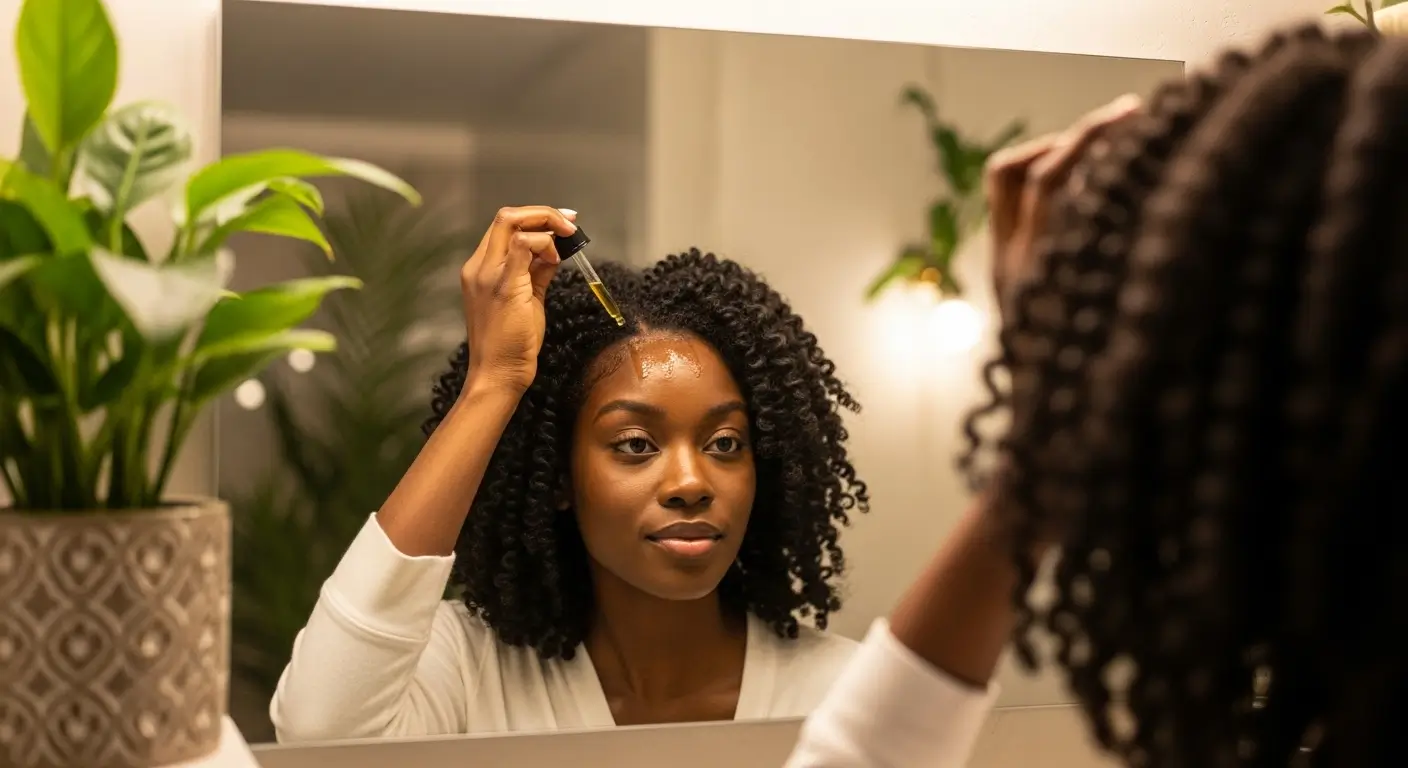
Unlock the secret to length retention with the latest Scalp Care for Curly Hair Types 2026 Trends. From Type 3A to 4C, we cover hydration hacks, protective style relief, and the new “skin-first” approach to textured hair.
We spend a ridiculous amount of time (and money) on our ends. We obsess over definition, slip, and shine. But be real for a second—how often do you think about the skin underneath all those coils?
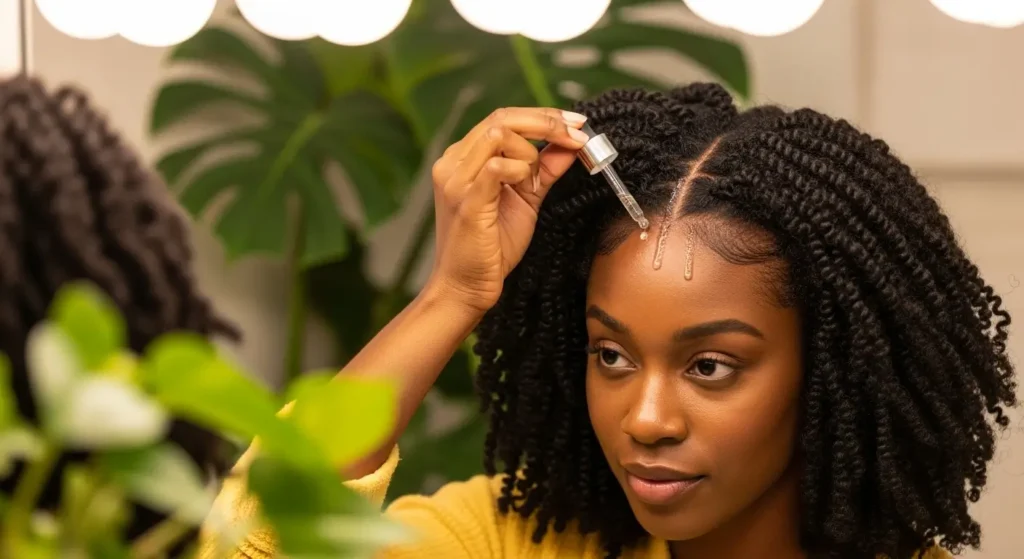
For years, the advice for curly and coily hair was just “don’t wash it too much.” But in 2026, the conversation has completely shifted. We are seeing a massive move toward “Scalp Skinification”—treating your scalp with the same high-grade ingredients you use on your face. Whether you are rocking a Wash & Go or waist-length box braids, healthy growth starts at the root. Let’s break down exactly how to upgrade your routine this year. 😊
What We’ll Cover
- The 2026 Shift: Skinification of Textured Hair
- Routine Breakdown: Scalp Care for Type 3 Curls
- Routine Breakdown: Scalp Care for Type 4 Coils
- Managing Itch & Buildup in Protective Styles
- Top Ingredients & Tools to Watch
- Frequently Asked Questions
The 2026 Shift: Skinification of Textured Hair 🌿
The days of using heavy greases that just sit on top of your pores are fading. The biggest trend in Scalp Care for Curly Hair Types in 2026 is bioavailability. This means using products that actually penetrate the scalp barrier to hydrate and heal.
We are seeing a surge in serums containing Hyaluronic Acid and Niacinamide specifically formulated for the scalp. Why? Because a dry, tight scalp produces thinner hair. For our community, where traction alopecia and inflammation are genuine concerns, this shift toward gentle, active skincare ingredients is a game changer.
Routine Breakdown: Scalp Care for Type 3 Curls (3A-3C)
If you fall into the Type 3 category, your biggest enemy is usually product buildup. You need definition, so you pile on gels and creams, but that residue suffocates the follicles.
The “Reset” Strategy
- Double Cleanse (Once a Week): Use an oil-based pre-cleanser to break down the styling polymers, followed by a gentle hydrating shampoo. This mimics the “double cleanse” method used in facial skincare.
- Chemical Exfoliation: Put down the physical scrubs. The jagged edges of salt or sugar scrubs can cause micro-tears and tangle curly hair. Instead, look for Salicylic Acid treatments in 2026. They dissolve the glue holding dead skin cells together without tangling your curls.
Routine Breakdown: Scalp Care for Type 4 Coils (4A-4C)
For my Type 4 family, the goal is moisture retention and barrier protection. Sebum (natural oil) has a hard time traveling down the zig-zag pattern of our hair, leaving the scalp prone to extreme dryness and flaking.
The “Barrier Boost” Strategy
- Pre-Poo with Penetrating Oils: Before water touches your hair, massage warm Babassu or Jojoba oil into the scalp. Coconut oil is popular, but it can be clogging for some. 2026 trends favor lighter, biomimetic oils that match our natural sebum.
- Steam Therapy: If you aren’t using steam, you are missing out. Using a steamer (or a hot towel) opens the pores and allows hydration to enter. It softens the scalp tissue, making it more pliable and healthy.
- Water-Based Serums: Heavy greases seal moisture out if applied to a dry scalp. Apply a water-based peptide serum first, then seal with a light oil.
💡 Pro Tip: Never scratch your scalp with your fingernails when washing. It causes inflammation which can stunt growth. Use the pads of your fingers or a silicone shampoo brush tailored for coily density.
Managing Itch & Buildup in Protective Styles braids
We love our box braids, faux locs, and twists. They save us time and look amazing. But the “Protective Style Itch” is real. When your scalp is exposed to synthetic hair or tension for weeks, it needs extra support.
The 2026 approach focuses on No-Rinse Microbiome Cleansers. These are micellar waters specifically designed for scalps under braids. They come with nozzle tips to get right between the parts.
Quick Routine for Braids:
- Apply a nozzle-tip cleanser directly to the parts.
- Use a clean cotton pad or cloth to gently dab (don’t rub) the scalp to lift dirt.
- Follow with a cooling serum containing peppermint or tea tree oil to soothe tension.
Top Ingredients & Tools to Watch in 2026 🧪
Keep an eye out for these on the ingredient labels. They are shaping the future of Scalp Care for Curly Hair Types.
| Ingredient/Tool | Best For | Why It Works |
|---|---|---|
| Fermented Rice Water (2.0) | Strength & Elasticity | Contains Inositol to repair hair from the inside out. |
| Red Light Therapy Caps | Thinning Edges | Stimulates cellular energy (ATP) in the follicle. |
| Chebe Powder Extract | Moisture Retention | An ancient Chad secret now modernized for easy application. |
| Rosemary Oil | Growth Stimulation | Proven to be as effective as some medical treatments for circulation. |
Frequently Asked Questions ❓
Q: How often should I oil my scalp if I have Type 4 hair?
A: It depends on your porosity, but generally, 2 to 3 times a week is the sweet spot. Over-oiling can actually clog pores and create a breeding ground for yeast. Always massage it in rather than just letting it sit.
Q: Can I use face wash on my scalp?
A: Technically, yes, if it’s gentle! Ingredients like Glycolic Acid (often found in face toners) are becoming popular for exfoliating the scalp. Just be sure to rinse thoroughly so it doesn’t dry out your actual hair strands.
Q: Why does my scalp itch so much when I get braids?
A: This is often an allergic reaction to the alkaline coating on synthetic braiding hair. Soaking the braiding hair in apple cider vinegar and warm water before your appointment can remove this chemical coating and stop the itch.
Final Thoughts
Your curls, coils, and kinks deserve a solid foundation. By shifting your focus from just the hair strand to the scalp skin, you are setting yourself up for better growth and healthier hair in the long run. Try incorporating just one of these 2026 trends into your next wash day and see how your hair responds.
What’s your biggest struggle with scalp care? Drop a comment below—let’s figure it out together. 👇
Disclaimer: This content is for informational purposes only and does not constitute medical advice. The information is not intended to be a substitute for professional medical advice, diagnosis, or treatment. Always seek the advice of your physician or other qualified health provider with any questions you may have regarding a medical condition.