

Unlock the Secrets of Nail Health: Discover what your fingernails reveal about your internal well-being. This comprehensive 2024 guide covers everything from nutritional deficiencies and medical diagnostics to professional maintenance and salon safety, ensuring your nails are both a symbol of beauty and a beacon of perfect health. 💅
Table of Contents
Have you ever paused during your morning routine to really look at your fingernails? We often treat them as mere tools or a canvas for the latest polish trends, but in reality, they are sophisticated biological indicators. As a health enthusiast who once struggled with mysterious brittle nails only to discover a hidden iron deficiency, I’ve learned that our bodies have a unique way of “speaking” to us through these small, keratinous plates. Understanding Nail Health isn’t just about aesthetics; it’s about listening to a vital part of your systemic diagnostic system. Let’s dive deep into what a healthy nail looks like and what those subtle changes might be trying to tell you! 😊
1. The Biological Foundation of Nail Health 🧬
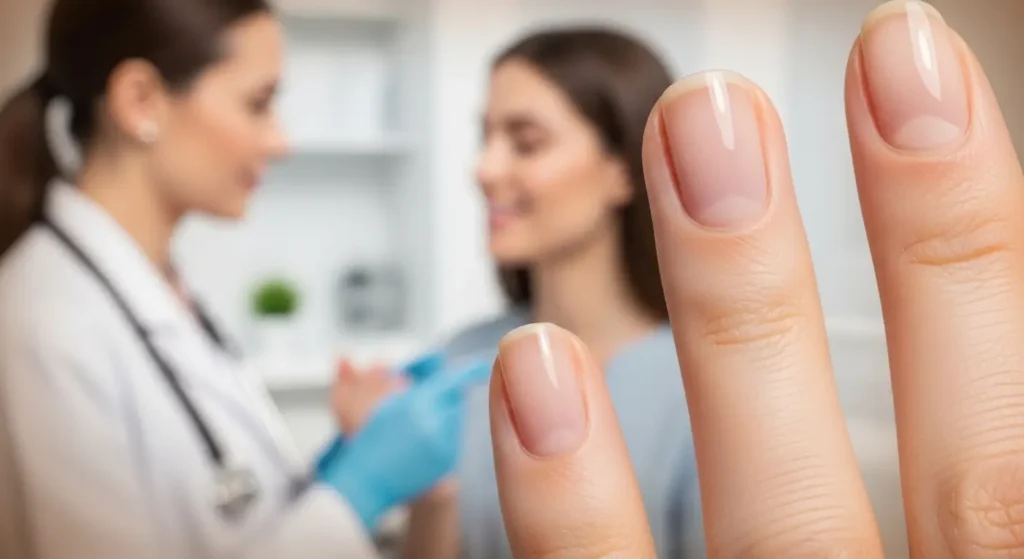
To achieve perfection, we must first define the baseline. According to dermatological standards from the American Academy of Dermatology (AAD), nails are composed of keratin—the same tough protein found in your hair and skin. A truly healthy nail is characterized by a smooth surface, a consistent pinkish-tan hue, and a firm yet flexible structure.
💡 Pro Tip: The Growth Record
Fingernails grow approximately 3.5 millimeters per month. Because of this slow growth rate, your nails act as a “time capsule” of your nutritional and physiological state over the past 3 to 6 months.
Essential Anatomy of a Healthy Nail
- The Nail Plate: The visible hard part. It should be free of pits, grooves, or discolorations.
- The Lunula: The whitish, half-moon shape at the base. Its presence is usually a sign of a robust matrix.
- The Cuticle: The waterproof barrier that protects the matrix from infection.
2. Decoding Nail Signs: Diagnostic Color & Texture 🔍
Changes in your nails can often be categorized into two main groups: texture abnormalities and color shifts. Research published in the Journal of Clinical and Aesthetic Dermatology suggests that over 50% of nail changes are fungal, but the remaining 50% can indicate systemic issues.
Common Texture Abnormalities
| Condition | Visual Sign | Potential Cause |
|---|---|---|
| Beau’s Lines | Horizontal ridges | Severe illness, high fever, or uncontrolled diabetes. |
| Onychoschizia | Brittle/Splitting | Frequent wetting/drying or Thyroid issues. |
| Pitting | Ice-pick dents | Psoriasis or connective tissue disorders. |
Systemic Indicators via Color Discoloration
When the color of your nail shifts, it’s often your blood circulation or liver speaking to you. For instance, Pale Nails (Leukonychia) can sometimes be a sign of significant anemia or congestive heart failure. Conversely, a Bluish Tint typically signals cyanosis, meaning your peripheral tissues aren’t receiving enough oxygen.
⚠️ Urgent Warning: Dark Streaks
If you notice a new or changing dark line beneath your nail (not caused by trauma), consult a dermatologist immediately. This could be Subungual Melanoma, a rare but dangerous form of skin cancer.
3. The Science of Internal Strength: Nutritional Foundations 🥗
External treatments are only half the battle. High-quality Nail Health begins with your diet. Dr. Sara Norris and other leading nutritionists advocate for a “Biocellular approach,” focusing on the specific vitamins that build the keratin matrix.
Key Nutrients for Perfect Nails 📝
- Biotin (Vitamin B7): Essential for strengthening the keratin infrastructure. Found in eggs, almonds, and legumes.
- Iron & Vitamin C: Iron prevents “spooning” (Koilonychia), while Vitamin C aids iron absorption.
- Zinc: Vital for cell division and growth. White spots are often a sign of temporary zinc deficiency.
- Omega-3 Fatty Acids: Help lubricate and moisturize your nails from the inside out, providing that healthy shine.
4. Professional Maintenance: The Gold Standard of Nail Care ✨
How you treat your nails daily determines their longevity. Many of the “damage” people see is actually self-inflicted through improper grooming habits. Here is the definitive “Do and Don’t” list compiled from the Mayo Clinic and top-tier spa professionals.
The “Do” List for Longevity
- Keep them Dry: Prolonged exposure to water can lead to split nails. Use gloves when washing dishes!
- Moisturize Cuticles: Apply a rich cuticle oil containing Jojoba or Vitamin E every night to prevent hangnails.
- Trim Straight Across: Avoid rounding the corners too deeply, as this is the primary cause of painful ingrown nails.
The “Don’t” List: Breaking Bad Habits
Stop biting your nails immediately! This isn’t just a cosmetic issue; it introduces bacteria and yeast into the nail bed, leading to chronic paronychia. Also, never pull off a hangnail—you risk tearing live tissue and inviting infection. Always clip them with sterilized nippers.
5. Manicure Safety: Navigating the Salon Safely 💅
Getting a professional manicure should be relaxing, not a health risk. To ensure your salon experience supports your Nail Health, follow these non-negotiable safety protocols:
- The Cuticle Rule: Instruct your technician to never cut your cuticles. They are the only barrier against bacteria.
- Sterilization Check: Look for an autoclave. UV light “sterilizers” are often insufficient for certain pathogens.
- Acetone-Free Preference: Request non-acetone removers to prevent extreme dehydration of the nail plate.
Nail Health Snapshot 💡
Core Goal:Achieving strong, smooth, and pinkish-tan nails through systemic and external care.
Top Nutrient:Biotin (2.5mg daily as per clinical studies).
Golden Rule:
Health = (Internal Nutrition + 0% Cuticle Cutting) × Daily Hydration
Updated for 2024 Clinical Standards

Frequently Asked Questions about Nail Health ❓
Q: Why do my nails have vertical ridges?
A: Vertical ridges are often compared to “wrinkles” of the nail. They are typically a harmless sign of aging and generally do not indicate a serious medical condition. Keeping nails moisturized can reduce their appearance.
Q: Can I strengthen my nails with a clear hardener?
A: Yes, but choose wisely. Look for products that contain proteins like keratin or calcium, and avoid those with formaldehyde, which can actually make nails too brittle over time.
Q: How long does it take for a damaged nail to fully regrow?
A: Since nails grow about 3.5mm per month, it typically takes 6 months for a fingernail to fully regrow from the base to the tip. Toenails can take up to 12-18 months.
In conclusion, maintaining Nail Health is a holistic journey. By combining a nutrient-rich diet with gentle grooming and keen observation, you ensure that your nails stay as strong and vibrant as you are. Remember, if you notice sudden, drastic changes that don’t grow out, your body might be asking for a professional check-up. Stay healthy and keep shining! ✨
Medical Disclaimer: This article is for informational purposes only and does not substitute for professional medical advice, diagnosis, or treatment. Always seek the advice of your physician or other qualified health provider with any questions you may have regarding a medical condition.