

Tired despite sleeping? Discover the hidden link between insulin resistance and chronic fatigue. Learn science-backed strategies to reclaim your energy today.
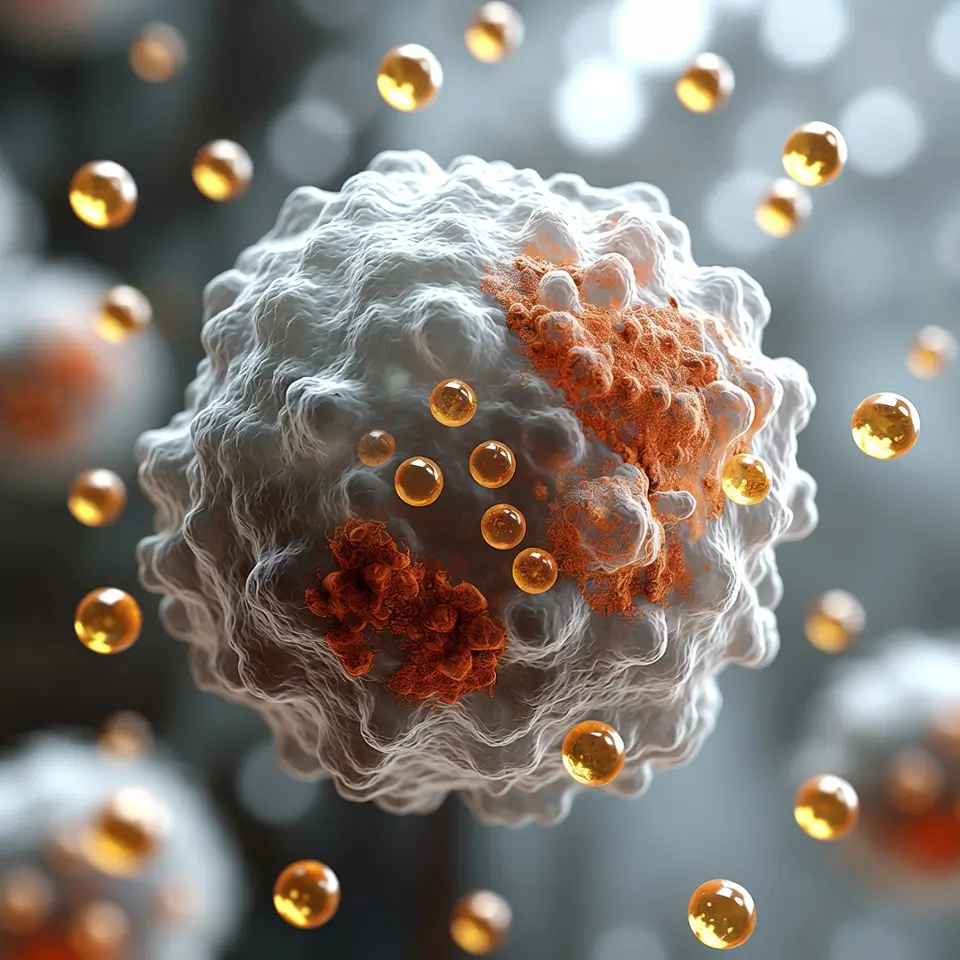
Table of Contents
The Ultimate Guide to Insulin Resistance: Why You’re Still Tired 😴
Have you ever felt like no matter how much you sleep, you wake up feeling like you’ve barely rested? You reach for another cup of coffee, blame your busy schedule, or perhaps take liver supplements thinking, “It must be my liver.” But then your blood tests come back normal, leaving you even more frustrated.
If this sounds familiar, you aren’t alone. In my years of exploring metabolic health, I’ve seen countless individuals struggle with this exact “invisible” exhaustion. The real culprit often isn’t your liver or a lack of caffeine—it’s a metabolic hurdle called Insulin Resistance. In this comprehensive guide, we will dive deep into why your cells might be “ignoring” your hormones and how you can fix it to reclaim your vitality.
What is Insulin Resistance? Understanding the Metabolic Engine 🧠
To understand insulin resistance, we need to talk about Insulin. Think of insulin as a “delivery driver” sent by your pancreas. Every time you eat, sugar (glucose) enters your bloodstream. Insulin’s job is to knock on the doors of your muscle, fat, and liver cells to let that glucose in so it can be used for energy.
Insulin Resistance happens when those cell “doors” become rusty. The delivery driver (insulin) knocks, but the cells don’t answer. To compensate, your pancreas works overtime, pumping out even more insulin to force the doors open. Eventually, your system becomes flooded with insulin, yet your cells remain “starved” for the energy they need.
“It’s like a doorbell that everyone has learned to ignore because it rings too often. The more it rings, the more you tune it out.”
The Hidden Link Between Insulin Resistance and Chronic Fatigue 🔋
Why does this make you so tired? It’s not just in your head; it’s a biological chain reaction involving three major factors:
- The Blood Sugar Rollercoaster: When insulin levels are sky-high, they can cause your blood sugar to crash suddenly (reactive hypoglycemia). This leads to that “afternoon slump” where you feel shaky, irritable, and desperate for a nap.
- Cellular Starvation: Because glucose isn’t entering the cells efficiently, your body struggles to produce ATP (the primary energy molecule). You have plenty of “fuel” in your blood, but your “engine” can’t access it.
- Systemic Inflammation: High levels of circulating insulin act as a pro-inflammatory signal. Chronic inflammation is exhausting for the immune system and is a primary driver of fatigue.
Could You Have Insulin Resistance? Symptoms Checklist ✅
Insulin resistance is often called a “silent” condition because it doesn’t show up on a standard fasting glucose test until it’s already progressed to pre-diabetes. If you experience 3 or more of the following, it’s time to look closer at your metabolic health:
- 🔲 Post-Meal Drowsiness: Feeling an overwhelming urge to sleep 2-3 hours after eating.
- 🔲 Intense Sugar Cravings: Needing a “sweet treat” immediately after a full meal.
- 🔲 Abdominal Obesity: Carrying most of your weight around the waistline (the “apple” shape).
- 🔲 Skin Changes: Darkened patches of skin in the neck or armpits (Acanthosis Nigricans).
- 🔲 High Triglycerides: Blood work showing high fats and low “good” (HDL) cholesterol.
- 🔲 Skin Tags: Small growths on the neck or eyelids are often linked to high insulin.
The Liver Connection: Beyond Fatigue to Fatty Liver 🏥
We mentioned the liver earlier. While your fatigue might start with insulin, it often ends up affecting your liver. When cells refuse glucose, the liver is forced to turn that excess sugar into fat. This leads to Non-Alcoholic Fatty Liver Disease (NAFLD).
Left unchecked, this can progress to inflammation (NASH), scarring (cirrhosis), and even liver cancer. This is why addressing insulin resistance isn’t just about energy—it’s about long-term survival and preventing metabolic syndrome.
How to Reverse Insulin Resistance: Your 3-Step Action Plan 🛠️
The good news? Insulin resistance is highly reversible through targeted lifestyle shifts. Here is the blueprint:
1. Master Your Macronutrients (The 80/20 Rule)
Stop the “Insulin Spikes.” Reduce refined carbohydrates like white bread, pasta, and sugary drinks. Instead, focus on Fiber-First Eating. Eating fiber (vegetables) before your protein and carbs can significantly dampen the insulin response of a meal.
2. Movement as Medicine
Your muscles are the biggest “glucose sinks” in your body. Physical activity makes cells more sensitive to insulin.
Tip: A simple 15-minute walk after dinner can lower your post-meal blood sugar by up to 30%!
3. Prioritize Restorative Sleep
One night of poor sleep can induce temporary insulin resistance in a healthy person the next day. Aim for 7-8 hours of quality sleep to keep your stress hormones (cortisol) in check, as cortisol directly opposes insulin’s work.
Conclusion: Reclaiming Your Metabolic Health 🌟
If you’ve been “tired of being tired,” remember that your body isn’t failing you—it’s likely just overwhelmed by a modern environment of constant sugar and stress. By understanding Insulin Resistance, you now have the key to unlocking your energy levels and protecting your liver for years to come.
Start small: try a 15-minute walk today or swap one sugary drink for water. Your cells will thank you! If you have any questions or want to share your journey, please leave a comment below! 😊
Frequently Asked Questions (FAQ) ❓
Q: Can I have insulin resistance if I am thin?
A: Yes! This is known as TOFI (Thin Outside, Fat Inside). Visceral fat around the organs can cause resistance even if your BMI is normal.
Q: How long does it take to reverse insulin resistance?
A: Significant improvements in insulin sensitivity can be seen in as little as 2 to 4 weeks of consistent dietary changes and exercise.
Q: Which blood test is best for checking this?
A: While fasting glucose is common, the HOMA-IR test (which looks at both fasting insulin and glucose) is much more accurate for early detection.
Medical Disclaimer: This article is for informational purposes only and does not replace professional medical advice, diagnosis, or treatment. Always seek the advice of your physician or other qualified health provider with any questions you may have regarding a medical condition.
“Insulin Resistance Guide: Why You Are Tired and How to Fix It”에 대한 9개의 생각