
Have you ever walked into a room only to forget exactly why you went there? Or perhaps you have noticed that your physical recovery after a weekend hike or a casual workout takes twice as long as it used to. It is incredibly frustrating, isn’t it? Honestly, we have all been there. When we think of staying sharp and youthful, we usually reach for expensive multiviramins, exotic superfoods, or that third cup of artisanal coffee. But recently, a massive shift has been happening among health-conscious professionals and longevity enthusiasts in the United States. They are all turning to a supplement you would least expect: Creatine. 😊
For decades, creatine was stuck with a heavy stereotype. If you mentioned it, people immediately pictured sweaty, 20-something bodybuilders trying to bulk up in a hardcore gym. But science has a funny way of surprising us. Thanks to recent, groundbreaking clinical trials led by world-renowned experts like Dr. Darren Candow, creatine is experiencing a spectacular mainstream renaissance. It is being completely reevaluated not as a muscle-bulking agent, but as a “super-nutrient” for healthy aging, stress management, cognitive enhancement, and even depression support. Let’s dive deep into the fascinating science of how this simple molecule can completely revitalize your body and mind!
1. What on Earth is Creatine? Understanding the ‘Cellular Power Bank’ ⚡
To truly appreciate what creatine can do for you, we need to take a quick, easy trip back to high school biology. First off, creatine is not a synthetic drug or a scary steroid; it is a naturally occurring compound made of amino acids that your body produces daily in the liver, kidneys, and pancreas. It is also found naturally in foods like fresh red meat and seafood.
Every single cell in your body—especially your hard-working muscle cells and your non-stop brain cells—relies on a fundamental energy currency called Adenosine Triphosphate (ATP). Think of ATP as the internal battery that keeps your biological systems running smoothly. However, there is a catch: your body can only store a tiny amount of ATP at any given moment.
When you lift a heavy grocery bag, sprint to catch a closing subway door, or suddenly crunch complex numbers during a high-stress business meeting, your cells burn through that basic ATP battery in a matter of mere seconds! Once used, ATP loses a phosphate molecule and degrades into a drained, useless state known as ADP (Adenosine Diphosphate). This is exactly where creatine steps in like an absolute hero.
The Cellular Energy Equation Made Simple 📝
- The Baseline Draining: Active Cell Use → ATP breaks down into Drained ADP.
- The Creatine Supercharge: Creatine rapidly donates its own phosphate molecule to that drained ADP, instantly rebooting it back into fully charged, high-energy ATP!
While our organs can synthesize roughly 1 to 3 grams of creatine per day, our skeletal muscles—the very systems responsible for keeping us moving, balanced, and vital—cannot produce a single milligram of it on their own. They rely entirely on circulating creatine from our diet or supplementation. When your external supply drops, your biological power banks drain faster, leaving you feeling sluggish, exhausted, and trapped in a state of chronic fatigue.
2. Debunking the Myths: The Top 3 Misconceptions About Creatine 🔍
Because creatine was trapped in the fitness subculture for so long, it accumulated an enormous amount of misleading misinformation. Let’s look at what the rigorous scientific data actually says regarding the three most common myths.
| Common Myth | The Scientific Reality |
|---|---|
| 1. It ruins your kidneys | Completely false for healthy individuals. It slightly raises “creatinine” (a harmless metabolic byproduct) in blood tests, which confuses some doctors, but extensive long-term studies show zero negative impact on actual kidney filtration. |
| 2. It makes you fat | It causes temporary intracellular water retention, drawing healthy hydration directly into your cells. This is not fat gain; it actually triggers a cellular signal that accelerates protein synthesis and bone density growth! |
| 3. It is only for men | Women often experience even greater benefits due to hormonal fluctuations during menstrual cycles, pregnancy, and menopause. It serves as an incredible tool for female fatigue recovery and mental clarity. |
If you start taking creatine regularly, your routine blood work might show an elevated level of creatinine. Don’t panic! This is a completely expected byproduct of creatine breakdown and does not indicate kidney damage. Always let your physician know about your supplementation routine before reviewing your lab results.
3. The Anti-Aging Marvel: Freezing Muscle Loss and Bone Decline 🛡️
Here is an uncomfortable biological reality: once we hit the age of 40, our bodies begin to lose an average of 1% of our total muscle mass every single year. What is even worse is that our actual muscle power and contraction speed plummet by a staggering 3% annually! This age-related muscle wasting is a medical condition known as sarcopenia.
True anti-aging isn’t about slapping on an expensive topical wrinkle cream or getting cosmetic fillers. It is about preserving your physical independence, maintaining your posture, protecting your joints, and ensuring you have the strength to easily stand up from a low chair or a toilet seat without needing assistance. When an aging adult experiences a bad fall due to weak muscles, the recovery process is incredibly slow, frequently triggering a rapid downward spiral in overall quality of life.
While many older individuals focus entirely on light cardio like walking or swimming, these exercises do very little to preserve critical fast-twitch muscle fibers or build up brittle bones. You absolutely need resistance training—even if it is just using light resistance bands or bodyweight exercises twice a week. And when you pair that resistance training with creatine? An incredible, synergistic magic happens.
According to the Mayo Clinic, osteoporosis poses a silent but massive threat to aging adults, particularly post-menopausal women. Failing to actively protect your bone mineral density can lead to debilitating fractures from simple, everyday movements.
Dr. Candow’s extensive clinical research over the past two decades has revealed something mind-blowing. In long-term trials involving post-menopausal women, those who consumed a daily dose of creatine while performing basic resistance training managed to completely freeze their bone mineral density loss! The creatine reduced bone resorption while simultaneously boosting the activity of osteoblasts (the specialized cells that build new bone tissue). For anyone over 50, this benefit alone makes creatine an absolute must-have in their daily routine.
4. The Cognitive Revolution: Banishing Brain Fog and Mood Slumps 🧠
Now let’s talk about the absolute biggest reason why busy tech executives, high-powered lawyers, and stressed-out corporate professionals are currently hoarding creatine. It is the profound, undeniable impact it has on the human brain.
Your brain is a highly demanding, ravenous organ. While it accounts for a meager 2% of your total body weight, it aggressively consumes more than 20% of your body’s total oxygen and energy resources! Under ideal, perfectly peaceful conditions where you get nine hours of deep sleep, your brain manages its energy quite well. But let’s be real—who lives a life completely free of stress and sleep deprivation?
When you are chronically stressed, sleep-deprived, or dealing with intense mental exhaustion, your brain’s internal ATP levels drop dramatically. This triggers that incredibly frustrating mental state known as “Brain Fog.” Your processing speed slows down, you struggle to make decisive choices, and your working memory starts to lapse.
By supplementing with creatine, you are providing a massive influx of emergency power directly to your neurons. Clinical data published by the National Institutes of Health (NIH) shows that under acute sleep deprivation, individuals given creatine maintained high levels of executive function, mental clarity, and spatial reasoning, performing almost identically to those who were fully rested!
Creatine vs. Caffeine: The Ultimate Showdown ☕
Most people instinctively run to coffee or energy drinks when they hit a midday mental wall. However, caffeine is merely a central nervous system stimulant that masks fatigue by blocking adenosine receptors; it often causes jitters, anxiety, and a nasty, irritable “crash” later on. Creatine, on the other hand, is a completely natural, crash-free compound. It actually creates real cellular energy without accelerating your heart rate or leaving you feeling wired and jittery.
The benefits do not stop at cognitive sharpness—they extend deeply into emotional well-being and mental health. A fascinating study conducted by researchers at the University of Utah investigated patients suffering from major depressive disorder who were not responding to standard antidepressant medications.
When researchers added a simple 5-gram daily dose of creatine to their existing medication regimen, the patients experienced an astonishing two-fold increase in the speed of their depression recovery! Creatine directly helps optimize brain neurotransmitter pathways and improves mitochondrial function within the prefrontal cortex, bringing a bright ray of hope to those battling stubborn, exhausting mood disorders.
5. The Practical Guide: How to Choose and Take Creatine Without Mistakes 📝
If you type “creatine” into an online marketplace, you will be hit with an overwhelming wall of flashy marketing, colorful neon bottles, and confusing chemical names like creatine ethyl ester, liquid creatine, or buffered creatine. Companies do this deliberately so they can charge you a premium price. But here is an insider secret from leading researchers: ignore the marketing hype and buy the absolute cheapest, simplest option.
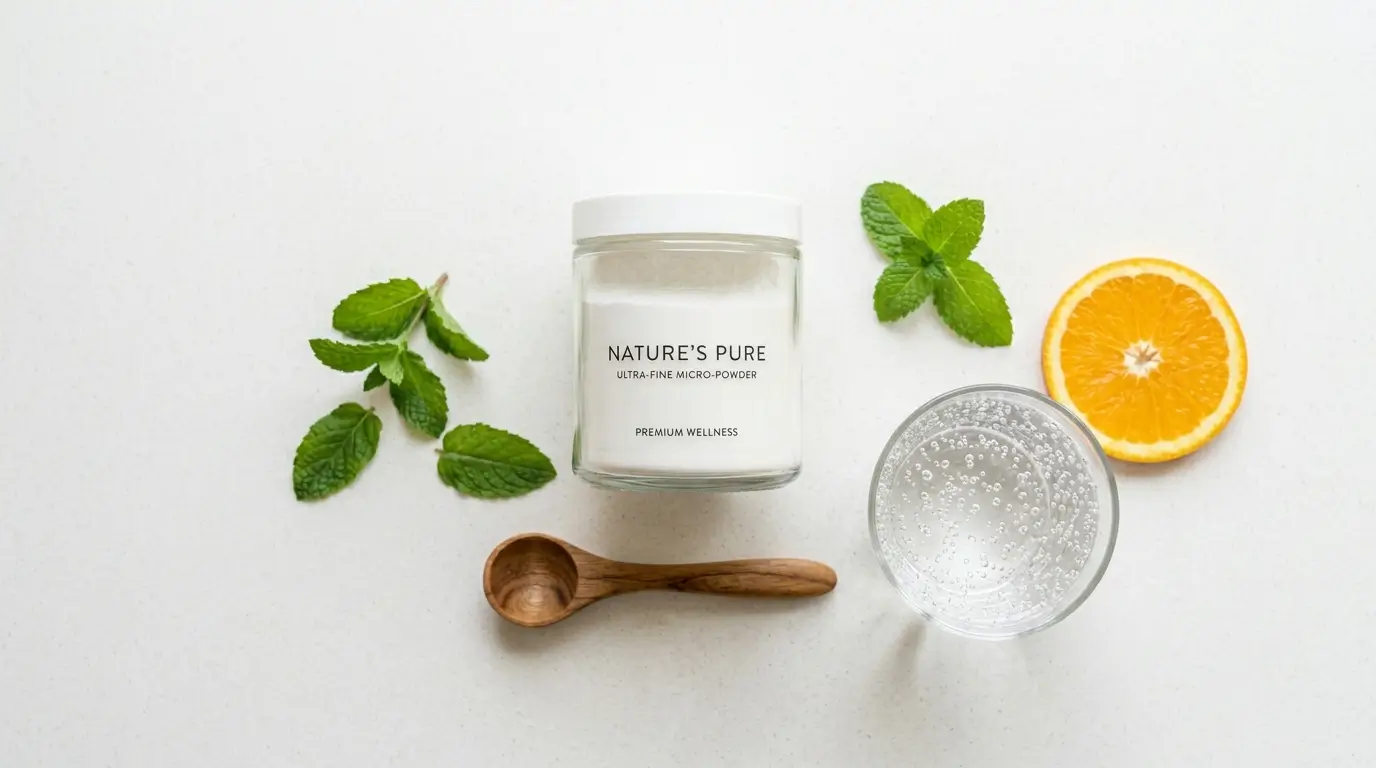
The only form you ever need to buy is Creatine Monohydrate in a pure, unflavored white powder form. It has been subjected to thousands of clinical safety trials over the last two centuries, boasts a flawless safety track record, and features an incredible 99% bioavailability rate. If you want maximum purity assurance, simply look for a product that uses the German-sourced “CreaPure” trademark or carries a trusted third-party verification badge like NSF or Informed-Choice.
-
Step 1: The Consistent Daily Habit (5g Per Day)
Forget about the old-school “loading phase” where you had to choke down 20 grams a day. It frequently causes minor stomach cramps or temporary diarrhea. Instead, simply take a standard 5-gram scoop (roughly one level teaspoon) every single day at any time that is convenient for you. It will take about three to four weeks to fully saturate your body’s cellular stores, but it is completely gentle and easy on your digestive system. -
Step 2: Splitting for Advanced Longevity Protocols
If you are specifically taking creatine for therapeutic brain health or severe bone density preservation under a higher-dose protocol (such as 10 to 20 grams per day), do not take it all at once! Break it up into smaller, manageable doses—5 grams in the morning with breakfast, 5 grams around lunch, and 5 grams with dinner. This prevents a temporary rush of adrenaline and ensures smooth, optimal cellular absorption throughout the day. -
Step 3: The Golden Rule of Hydration (Drink Up!)
Because creatine naturally draws water directly out of your bloodstream and packs it into your muscle and brain cells, your body requires significantly more fluids than usual. If you fail to drink enough water, you might experience minor headaches, dry skin, or mild muscle cramps. Make it an absolute rule to drink an extra two to three glasses of pure water every single day.
Your Longevity Blueprint At A Glance
Frequently Asked Questions ❓
At the end of the day, creatine is no longer just a supplement hidden away in gym locker rooms for building massive biceps. It has officially shed its old skin to become an indispensable, science-backed ally for aging adults, busy professionals, and anyone striving to maintain their sharpest mind and strongest body. By taking just five grams of simple, budget-friendly creatine monohydrate a day, you are unlocking a powerful biological safety net that keeps your physical and mental engines running beautifully for years to come.
Are you ready to give your cellular batteries the upgrade they deserve? If you have any remaining questions about choosing the right brand or integrating it into your morning routine, please drop a comment down below—I would absolutely love to hear from you! Stay healthy, stay vibrant, and see you in the next post! ~ 😊