
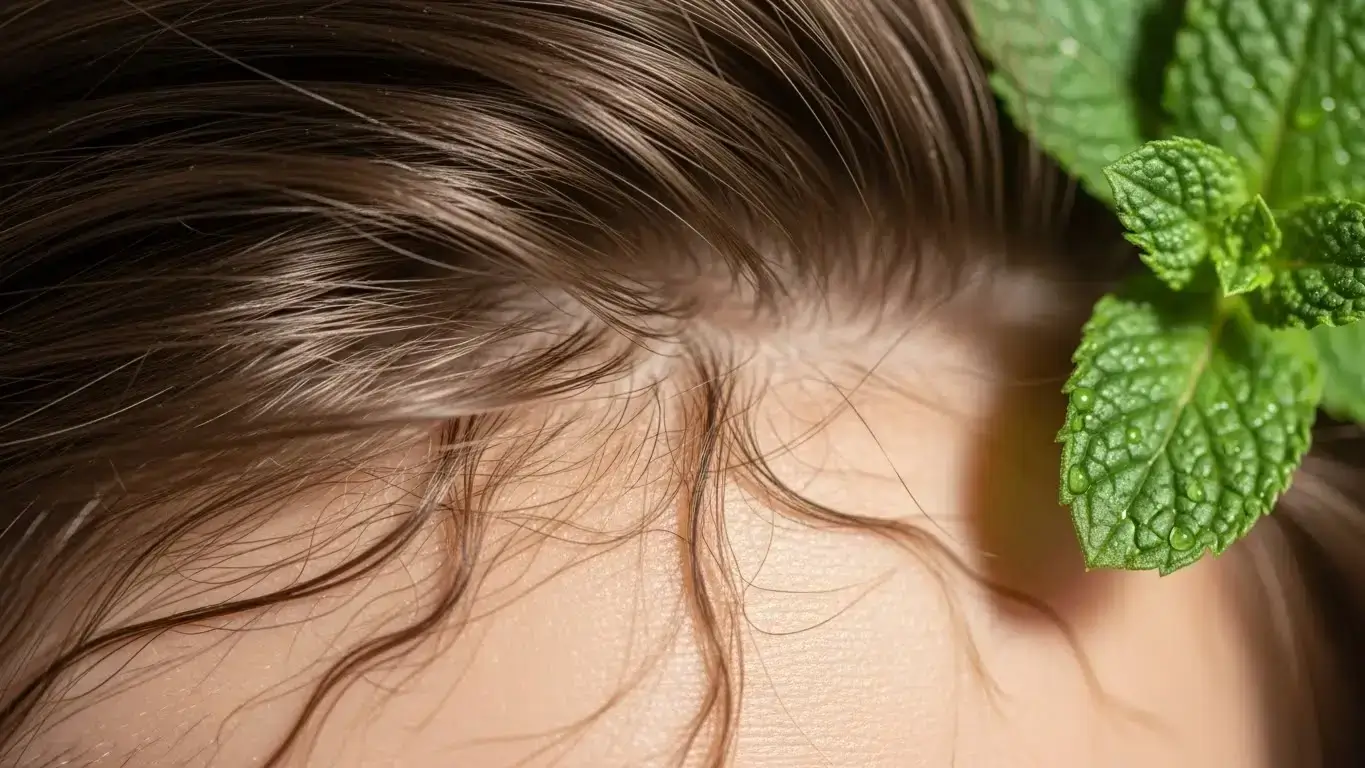
Master the ultimate Scalp Care Routines for Oily Hair 2026 Trends. Discover biotech balancing, weekly detox schedules, and the “moisture-first” approach to stop grease for good.
Is there anything more frustrating than washing your hair in the morning, only to check the mirror by 3 PM and see slick, weighed-down roots? I’ve been there—trapped in the endless cycle of daily washing, dry shampoo overuse, and the constant fear of looking “unwashed.”
For years, the advice for oily hair was aggressive: strip it, scrub it, and dry it out. But as we step into 2026, the game has changed entirely. The new era of Scalp Care Routines for Oily Hair isn’t about fighting oil with harsh chemicals; it’s about training your scalp through microbiome balance and barrier repair.
In this deep dive, we are moving beyond the basics. We are looking at the 2026 trends involving “skinification” of the scalp, the crucial balance between deep cleansing and hydration (yes, oily scalps need moisture!), and the ingredients that actually regulate sebum production at the cellular level. Let’s reclaim your volume and freshness. 😊
Table of Contents
- 1. The 2026 Shift: Why We Stopped “Stripping” Oily Scalps 🛑
- 2. The Ultimate Weekly Scalp Care Routine for Oily Hair 📅
- 3. Trending Ingredients for Sebum Control in 2026 🧪
- 4. 5 Common Mistakes Sabotaging Your Oily Hair Goals ❌
- 5. Lifestyle Factors: The Gut-Scalp Oil Connection 🥗
- 6. Frequently Asked Questions (FAQ) ❓
1. The 2026 Shift: Why We Stopped “Stripping” Oily Scalps 🛑
Here is the paradox: The more you try to remove oil, the more your scalp produces. It’s called reactive seborrhea. In the past, clarifying shampoos were like dish soap—effective, but damaging.
The 2026 Trend focuses on the “Scalp Barrier.” Just like the skin on your face, your scalp has a lipid barrier. If you compromise this barrier with harsh sulfates, your scalp panics and floods the area with sebum to protect itself.
💡 Expert Insight:
Oily hair isn’t always about “dirty” hair. It is often a sign of a dehydrated scalp. When the scalp lacks water (hydration), it overcompensates with oil (sebum). The goal for 2026 is to hydrate the scalp skin so it feels safe enough to stop overproducing oil.
2. The Ultimate Weekly Scalp Care Routine for Oily Hair 📅
Forget the daily wash cycle. To fix an oily scalp, you need a routine that balances purification with restoration. Here is a scientifically backed weekly schedule tailored for 2026 trends.
Day 1: The “Deep Detox” (Clarifying)
This is the day we reset. We are removing product buildup, environmental pollutants, and hardened sebum (plugs) that block hair follicles.
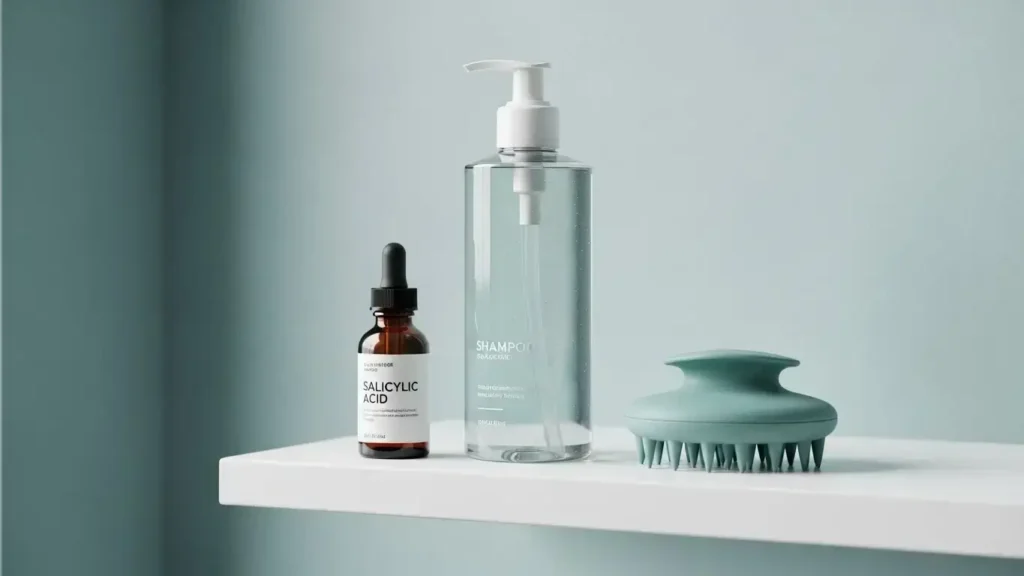
- Pre-Shampoo: Apply a BHA (Salicylic Acid) scalp serum. This oil-soluble acid dives deep into pores to dissolve oil before you even shower.
- Cleanse: Use a sulfate-free clarifying shampoo containing Tea Tree or Peppermint.
- Technique: Double cleanse. The first wash breaks down oil; the second wash actually cleans the scalp.
Day 3 or 4: The “Moisture Balance” Wash
Mid-week, we focus on hydration without heaviness. This prevents the “rebound oil” effect.
- Cleanse: Use a gentle, balancing micellar shampoo. Micellar technology traps dirt without stripping natural lipids.
- Condition: Apply a lightweight conditioner (containing Hyaluronic Acid or Aloe Vera) only to the ends—never the roots.
- Tonic: Finish with a calming scalp tonic containing Centella Asiatica or Green Tea extract to soothe inflammation.
Daily Maintenance (No Wash)
On days you don’t wash, you still need to manage oil distribution.
- Boar Bristle Brushing: Brush your hair from root to tip. This mechanically moves sebum from the scalp (where it looks greasy) to the ends (where it acts as a moisturizer).
- Scalp Blotting: Sounds weird, but use a facial blotting paper on your part line instead of layering more dry shampoo.
3. Trending Ingredients for Sebum Control in 2026 🧪
The ingredient list is your best friend. In 2026, we are seeing a shift towards biotech ingredients that regulate oil production intelligently.
| Ingredient | Primary Benefit | Why it Works for Oily Hair |
|---|---|---|
| Niacinamide (Vitamin B3) | Oil Regulation | It lowers sebum excretion rates and strengthens the barrier, preventing reactive oiliness. |
| Salicylic Acid (BHA) | Deep Exfoliation | Oil-soluble; it enters the pore to dissolve clogs and dead skin cells. |
| Fermented Rice Water | pH Balancing | A 2026 favorite. It balances the scalp’s pH (acid mantle) to suppress fungal overgrowth. |
| Zinc PCA | Anti-Bacterial | Physically reduces the amount of oil the scalp produces and fights dandruff. |
4. 5 Common Mistakes Sabotaging Your Oily Hair Goals ❌
Even with the best products, certain habits can keep you trapped in the grease cycle. Are you guilty of any of these?
1. Relying Too Much on Dry Shampoo
Dry shampoo doesn’t clean; it creates a layer of starch. Overuse clogs follicles, traps bacteria, and leads to itchy, irritated scalps that produce more oil to flush out the blockage.
- 2. Washing With Hot Water: Hot water stimulates the sebaceous glands. Always rinse with lukewarm or cool water to close the cuticle and calm the scalp.
- 3. Touching Your Hair: Your fingertips carry natural oils. Constantly fixing your bangs or touching your roots transfers that oil directly to your hair.
- 4. Dirty Brushes and Pillowcases: If you put a clean scalp onto a dirty pillowcase or use a brush full of old oil, you are re-contaminating your hair immediately. Wash brushes weekly!
- 5. Skipping Conditioner: This sounds counterintuitive, but if you skip conditioner, your ends get dry. Your scalp senses this dryness and goes into overdrive producing oil to fix it. Use a lightweight conditioner on the ends only.
5. Lifestyle Factors: The Gut-Scalp Oil Connection 🥗
Your scalp health is a mirror of your internal health. In 2026, we acknowledge the direct link between diet, hormones, and sebum production.
Sugar and Sebum: High-glycemic foods (sugary snacks, white bread) spike your insulin levels. High insulin triggers an increase in androgens (hormones), which directly tells your sebaceous glands to “pump out more oil.” Reducing sugar intake can visibly reduce scalp oiliness within weeks.
Stress Management: Stress produces Cortisol. Cortisol also binds to sebaceous glands. If you notice your hair is greasier during exam week or a busy work project, that’s stress oil. Incorporating adaptogens or mindfulness can be a part of your scalp care routine.
Final Thoughts: Training Your Scalp Takes Time 📝
Fixing an oily scalp isn’t about finding a magic shampoo that dries you out. It’s about finding balance. By adopting these Scalp Care Routines for Oily Hair 2026 Trends, you are treating the root cause—inflammation, dehydration, and barrier damage—rather than just the symptom.
Give this routine at least 4 weeks. Your scalp needs time to realize it doesn’t need to overproduce oil anymore. Be patient, stay consistent with your double cleansing, and watch your hair transform from limp and greasy to voluminous and healthy. You’ve got this! 😊
6. Frequently Asked Questions (FAQ) ❓
Q: Is it bad to wash oily hair every day?
A: Not necessarily, but it depends on the shampoo. If you use harsh sulfates daily, you will strip the scalp and cause reactive oiliness. If you must wash daily due to exercise, use a gentle, pH-balanced micellar shampoo.
Q: Does double cleansing really help oily hair?
A: Yes! It is a game changer in 2026 routines. The first wash breaks down surface oil, pollution, and styling products. The second wash actually cleanses the scalp skin and follicles, allowing active ingredients to work effectively.
Q: Can hair oiling work for oily scalps?
A: Yes, but choose the right oils. Avoid heavy oils like coconut. Instead, use Jojoba oil (which mimics natural sebum) or Rosemary oil as a pre-shampoo treatment. It signals to your scalp that it’s moisturized, potentially slowing down its own oil production.
Q: Why does my scalp smell even after washing?
A: This is likely due to microbiome imbalance or fungal overgrowth (yeast feeding on sebum). Try a scalp scrub with salicylic acid or a tea tree oil shampoo to eliminate the bacteria causing the odor.
Disclaimer: This content is for informational purposes only and does not constitute medical advice. The information is not intended to be a substitute for professional medical diagnosis or treatment. Always seek the advice of your physician or other qualified health provider with any questions you may have regarding a medical condition.
“Scalp Care Routines for Oily Hair: The 2026 Trends You Need”에 대한 2개의 생각