
Unlock the secrets of how to improve scalp health naturally in 2026. Discover trending ingredients like Gotu Kola, expert DIY recipes, and proven massage routines for lush hair growth.
Let’s be honest for a second. We spend hundreds of dollars on fancy shampoos, conditioners, and serums for our hair strands, but how often do we think about the soil they grow from? I’ve been there—ignoring that itchy, tight feeling until it turned into flakes or excessive shedding.
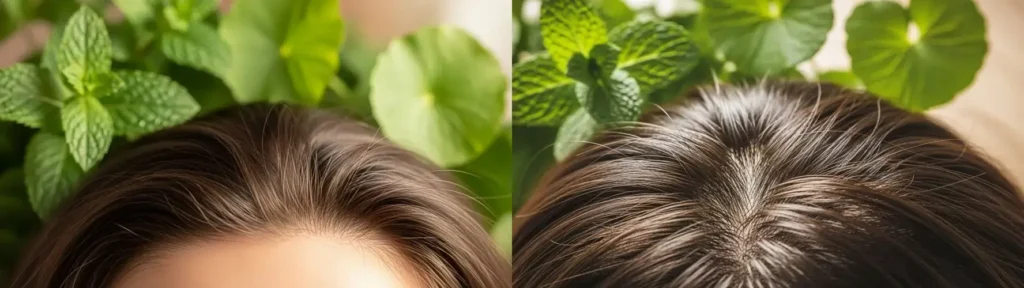
Here is the reality check: Scalp care is the new skincare. As we move into 2026, the trend isn’t just about “cleaning” anymore; it’s about the microbiome and barrier repair. Just like your face, your scalp needs exfoliation, hydration, and protection.
In this guide, I’m going to walk you through the most effective, science-backed natural methods to revitalize your scalp. We are moving beyond basic coconut oil and diving into 2026’s powerhouses like Gotu Kola and Peppermint. Ready to transform your hair from the roots up? Let’s dive in! 😊
Table of Contents
- 1. The 2026 Shift: Why the Scalp Microbiome Matters 🦠
- 2. Top Natural Ingredients Trending in 2026 🌿
- 3. Step-by-Step Natural Scalp Care Routine 💆♀️
- 4. DIY Scalp Treatments That Actually Work 🧪
- 5. Diet & Lifestyle: The Gut-Scalp Connection 🍎
- 6. Frequently Asked Questions (FAQ) ❓
1. The 2026 Shift: Why the Scalp Microbiome Matters 🦠
For years, we stripped our scalps with harsh sulfates, thinking “squeaky clean” meant healthy. In 2026, the narrative has completely flipped. We now know that a healthy scalp relies on a balanced microbiome—a community of good bacteria and fungi that protect against inflammation and dandruff.
When this balance is disrupted (dysbiosis), you get itching, sensitivity, and even hair loss. Improving scalp health naturally isn’t just about applying oil; it’s about creating an environment where these beneficial microbes can thrive.
💡 Expert Insight:
Think of your scalp like a garden soil. If the soil is too dry, too oily, or lacking nutrients, flowers (your hair) simply won’t bloom. Focusing on the “root” cause is the only way to get sustainable results.
2. Top Natural Ingredients Trending in 2026 🌿
While Rosemary oil had its viral moment in 2024 and 2025, 2026 is ushering in soothing, barrier-repairing ingredients alongside stimulants. Here are the stars of the show:
A. Gotu Kola (Centella Asiatica)
You might know this from your K-beauty face creams (Cica), but it’s a miracle worker for the scalp. Gotu Kola improves blood circulation and significantly strengthens the skin barrier. It calms inflammation, which is a leading cause of hair thinning.
B. Peppermint Oil
Peppermint is the “gym session” for your hair follicles. It contains menthol, which acts as a vasodilator—meaning it widens blood vessels to increase blood flow. This fresh nutrient delivery is crucial for the Anagen (growth) phase of hair.
C. Aloe Vera
An oldie but a goldie. Aloe Vera mimics the chemical makeup of keratin and has a pH level similar to the scalp (around 4.5-5.5). It’s the ultimate hydrator that doesn’t leave a greasy residue.
| Ingredient | Best For | How to Use |
|---|---|---|
| Gotu Kola | Sensitive, inflamed, or thinning scalp | Infused oil or tea rinse |
| Peppermint Oil | Slow growth & oily scalp | Diluted in carrier oil (2-3 drops) |
| Rosemary Oil | Hair density & DHT blocking | Pre-shampoo massage treatment |
3. Step-by-Step Natural Scalp Care Routine 💆♀️
Consistency is key. You can’t do this once a month and expect Rapunzel-like results. Here is a weekly routine optimized for 2026 standards.
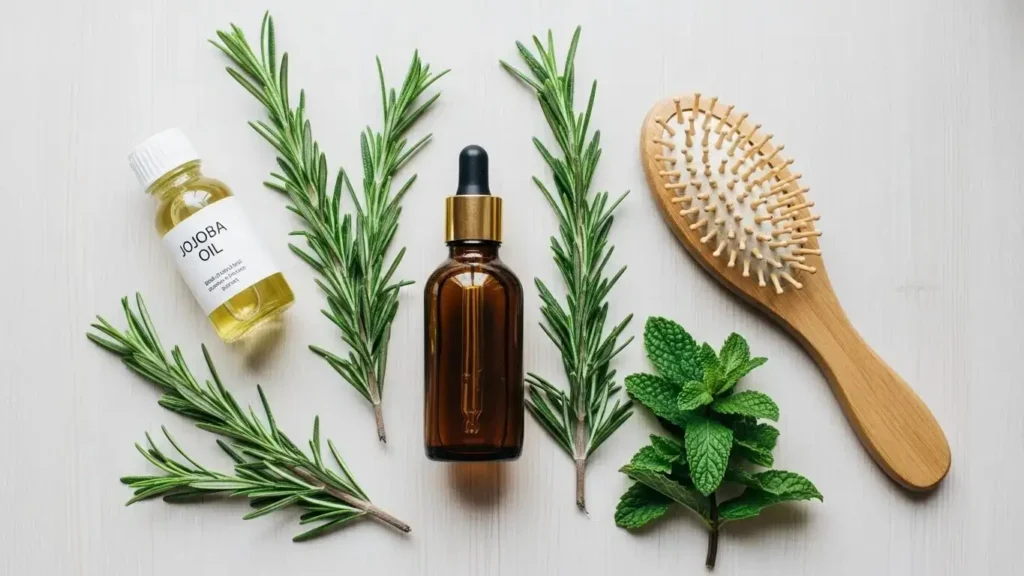
Step 1: Mechanical Exfoliation (Scalp Brushing)
Before you even step into the shower, use a bamboo brush or a specialized scalp brush to gently lift debris and dead skin cells. This increases blood flow and preps the skin to absorb nutrients.
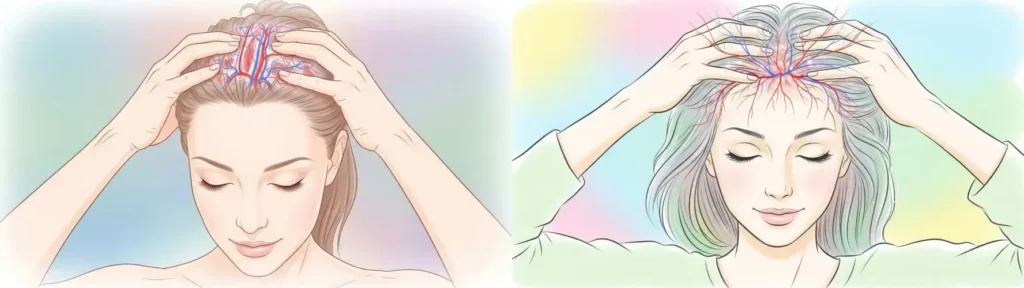
Step 2: The “Oil & Massage” Ritual
Apply your chosen natural oil (like the recipe below) to your scalp. Don’t just slap it on—massage it. Use the pads of your fingers in circular motions for at least 4-5 minutes.
- Pro Tip: Try the “Inversion Method” (hanging your head upside down gently) for 2 minutes to rush blood to the follicles.
Step 3: Gentle Cleansing
Wash with a sulfate-free, pH-balanced shampoo. If you used heavy oils, you might need to double cleanse. The first wash removes dirt; the second wash cleans the scalp.
⚠️ Caution:
Never scratch your scalp with your fingernails while washing. This creates micro-tears that can lead to infection or inflammation, hindering growth.
4. DIY Scalp Treatments That Actually Work 🧪
Ready to play chemist? These recipes are simple, effective, and free from synthetic preservatives.
🧪 The “Stimulate & Soothe” 2026 Oil Blend
This blend combines the stimulating power of Peppermint with the healing properties of Jojoba (which mimics natural sebum).
- Base: 2 tablespoons Jojoba Oil (or Pumpkin Seed Oil for DHT blocking)
- Active 1: 3 drops Peppermint Essential Oil
- Active 2: 3 drops Rosemary Essential Oil
- Optional: 1 teaspoon Dried Gotu Kola (infused beforehand)
Instructions: Mix well in a small glass dropper bottle. Apply to the scalp 30 minutes before washing. Store in a cool, dark place.
🍵 Apple Cider Vinegar (ACV) & Herb Rinse
Perfect for resetting the pH balance and removing product buildup (clarifying).
- 1 part Organic Apple Cider Vinegar (with ‘The Mother’)
- 3 parts Filtered Water
- Steeped Green Tea (cooled) – adds antioxidants
Instructions: Pour over the scalp after shampooing. Let sit for 2-3 minutes, then rinse with cool water.
5. Diet & Lifestyle: The Gut-Scalp Connection 🍎
You cannot out-treat a bad diet. In 2026, we focus heavily on the Gut-Scalp Axis. Inflammation in your gut often shows up as eczema or dandruff on your scalp.
To truly improve scalp health naturally, incorporate these into your diet:
- Omega-3 Fatty Acids: Found in salmon, walnuts, and flaxseeds. They keep the scalp hydrated from within.
- Zinc: Crucial for tissue repair and keeping oil glands working properly. Pumpkin seeds are a great source.
- Probiotics: Yogurt, kimchi, or supplements to balance internal bacteria, which reflects on your skin.
- Hydration: Drink your water! A dehydrated body leads to a dry, flaky scalp.
Final Thoughts: Consistency Over Intensity 📝
Improving your scalp health naturally isn’t an overnight fix. It takes about 28 days for your skin cells to turn over, so give these methods at least a month to show results. Start with a gentle massage tonight, maybe infuse some oil this weekend, and pay attention to how your scalp feels.
Your hair is a crown you never take off—take care of the foundation, and it will shine. Have you tried Gotu Kola yet? Or do you have a favorite DIY recipe? Let me know in the comments below! 😊
6. Frequently Asked Questions (FAQ) ❓
Q: How often should I oil my scalp?
A: For most hair types, 1-2 times a week is optimal. If you have a very oily scalp, once a week with lighter oils (like Jojoba) is sufficient. Leaving oil on for too long (overnight) can sometimes clog pores for sensitive skin types, so 1-3 hours is the sweet spot.
Q: Is Rosemary oil really effective for hair growth?
A: Yes, studies (like the 2015 study comparing it to Minoxidil) have shown it to be effective in improving hair density. However, it must be diluted in a carrier oil to avoid contact dermatitis or irritation.
Q: Can I use these natural methods if I have dandruff?
A: Absolutely. Tea Tree oil and Apple Cider Vinegar rinses are excellent natural remedies for dandruff caused by fungal overgrowth. However, if you have Seborrheic Dermatitis, consult a dermatologist before using heavy oils.
Q: What is the biggest trend in scalp care for 2026?
A: The biggest trend is “Scalp Microbiome Balance” and ingredients that support the skin barrier, such as Gotu Kola (Centella Asiatica) and fermented rice water, rather than just harsh exfoliation.
Disclaimer: This content is for informational purposes only and does not constitute medical advice. The information is not intended to be a substitute for professional medical diagnosis or treatment. Always seek the advice of your physician or other qualified health provider with any questions you may have regarding a medical condition.