
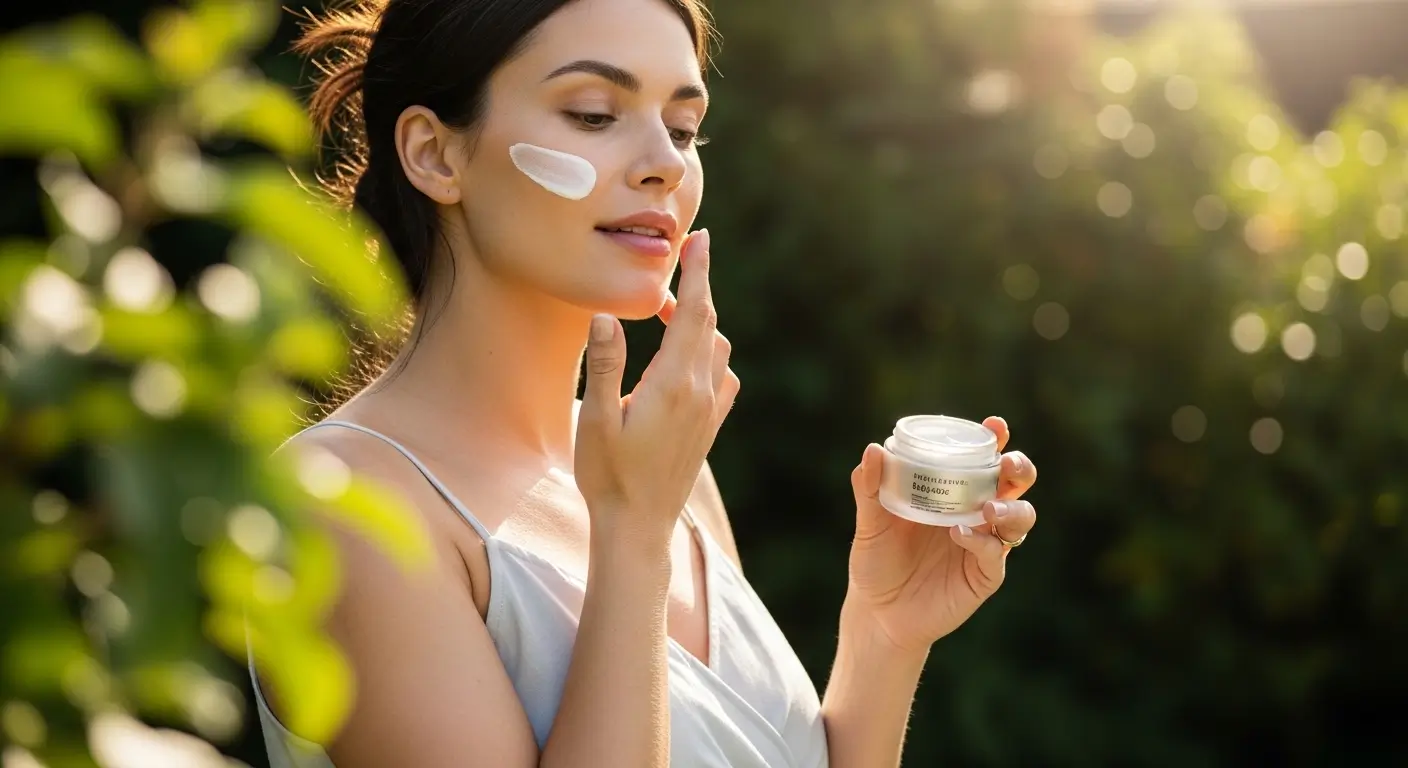
Looking for the safest mineral based sunscreen for pregnancy? Learn why physical blockers like zinc oxide are better than chemical filters, which ingredients to avoid, and how to protect your changing skin from melasma without risking your baby’s health.
Table of Contents
- 1. Why Choose Mineral Based Sunscreen for Pregnancy?
- 2. Toxic Chemical Filters to Avoid While Pregnant
- 3. Zinc Oxide vs. Titanium Dioxide: Which is Better?
- 4. Preventing Pregnancy Melasma (The Mask of Pregnancy)
- 5. How to Pick the Best Pregnancy-Safe Sunscreen
When I first saw that positive pregnancy test, my mind went straight to coffee and sushi. I didn’t realize my entire skincare routine needed a massive overhaul, too. Your skin is your body’s largest organ, and during pregnancy, it becomes surprisingly porous and sensitive. What you slather on your face doesn’t just stay on the surface; it can enter your bloodstream. That’s why switching to a mineral based sunscreen for pregnancy is one of the most important swaps you’ll make for your peace of mind and your baby’s development. 😊
Why Choose Mineral Based Sunscreen for Pregnancy? 🛡️
The fundamental difference between mineral and chemical sunscreens lies in how they handle UV rays. Chemical sunscreens work like a sponge, absorbing UV rays into the skin, converting them into heat, and releasing them. This process involves chemicals like oxybenzone, which have been linked to hormone disruption—the last thing any pregnant woman needs.
On the other hand, mineral sunscreens act like a literal shield. They sit on top of your skin and reflect UV rays away like a mirror. Because the particles (Zinc Oxide or Titanium Dioxide) are large, they aren’t absorbed into your system. They provide immediate protection the second you apply them, whereas chemical versions require a 20-minute wait time. When your skin is extra reactive due to surging hormones, the inert nature of minerals makes them the gold standard for safety.
💡 Pro-Tip: Physical vs. Mineral
If you see the terms “Physical Sunscreen” or “Sunblock,” they are usually synonymous with mineral formulas. Look for Zinc Oxide or Titanium Dioxide as the only active ingredients.
Toxic Chemical Filters to Avoid While Pregnant ⚠️
It’s not just about what you should use, but what you must skip. Research has shown that certain chemical filters can mimic estrogen in the body. A study published in the Journal of the Endocrine Society suggests that oxybenzone exposure during pregnancy could even affect mammary gland development. Here are the red-flag ingredients to check on your current bottle:
- Oxybenzone: The most notorious hormone disruptor.
- Avobenzone: Often used to stabilize other chemicals but can cause skin irritation.
- Octisalate & Octocrylene: These are frequently found in “sheer” formulas but are absorbed into the bloodstream.
- Homosalate: Known to accumulate in the body faster than it can be eliminated.
Zinc Oxide vs. Titanium Dioxide: Which is Better? ⚖️
Most high-quality mineral based sunscreens for pregnancy use a combination of these two, but they offer slightly different types of protection. If you had to choose one, Zinc Oxide is generally considered the “MVP” because it offers broader protection against both UVA (aging) and UVB (burning) rays.
| Feature | Zinc Oxide | Titanium Dioxide |
|---|---|---|
| UV Protection | UVA + UVB (Broadest) | Strong UVB, Decent UVA |
| Skin Feel | Can be slightly thick | Lighter, more elegant |
| Acne-Safe? | Yes (Antimicrobial) | Yes (Non-comedogenic) |
Preventing Pregnancy Melasma (The Mask of Pregnancy) 🎭
Have you noticed dark patches appearing on your forehead or upper lip? That’s melasma, and it affects up to 70% of pregnant women. Estrogen triggers an overproduction of melanin, and even five minutes of unprotected sun exposure can make these patches much darker and harder to treat post-baby.
Using a mineral based sunscreen for pregnancy isn’t just about safety; it’s your primary defense against melasma. Iron oxides, often found in tinted mineral sunscreens, provide an extra layer of protection against “blue light” or visible light, which is also known to worsen pigmentation. If you want to keep your skin even-toned, look for a tinted mineral formula.
⚠️ Avoid Spray Sunscreens!
Even if they are mineral-based, the risk of inhaling titanium dioxide particles is high. Stick to lotions or sticks to ensure safety for your lungs and the baby.
How to Pick the Best Pregnancy-Safe Sunscreen 🧴
Choosing the right product can feel overwhelming. To simplify your search for the perfect mineral based sunscreen for pregnancy, use this checklist before you hit the checkout button:
- Check the Active Ingredients: Only Zinc Oxide and/or Titanium Dioxide.
- SPF 30 or Higher: The American Academy of Dermatology recommends at least SPF 30 for daily use.
- Fragrance-Free: Pregnancy makes your nose extra sensitive, and synthetic fragrances can cause rashes.
- Non-Nano Particles: “Non-nano” means the particles are large enough that they definitely won’t enter your blood.
Summary Checklist 📝
• Safe Bet: Zinc Oxide (Non-Nano)
• The Goal: Prevent Melasma and Hormone Disruption
• What to Bin: Anything with Oxybenzone
• Application: Every morning, even if it’s cloudy!
Common Questions About Pregnancy Sunscreen ❓
Q: Can I use mineral sunscreen on my belly?
A: Absolutely! If you’re spending time in the sun with your bump out, applying mineral sunscreen helps prevent “linea nigra” from darkening and protects the stretching skin from UV damage.
Q: Is mineral sunscreen safe for nursing as well?
A: Yes. Dermatologists recommend continuing mineral based sunscreen use during breastfeeding to ensure no harmful chemicals are passed through skin contact or milk.
Q: Why does mineral sunscreen leave a white cast?
A: Since mineral particles sit on top of the skin, they reflect light, which looks white. To avoid this, look for “tinted” or “micronized” (but non-nano) formulas.
Navigating the world of pregnancy-safe products is exhausting, but your sun protection shouldn’t be a source of stress. By sticking to a solid mineral based sunscreen for pregnancy, you’re doing the best for your skin and your little one. Stay safe and enjoy that pregnancy glow! If you have a favorite brand that didn’t leave a white cast, please share it in the comments below—we’re all in this together! 😊
Disclaimer: This article is for informational purposes only and does not substitute for professional medical advice, diagnosis, or treatment. Always seek the advice of your physician or other qualified health provider with any questions you may have regarding a medical condition or skincare ingredients during pregnancy.
“Is Your Sunscreen Safe? Best Mineral Based Sunscreen for Pregnancy”에 대한 1개의 생각