
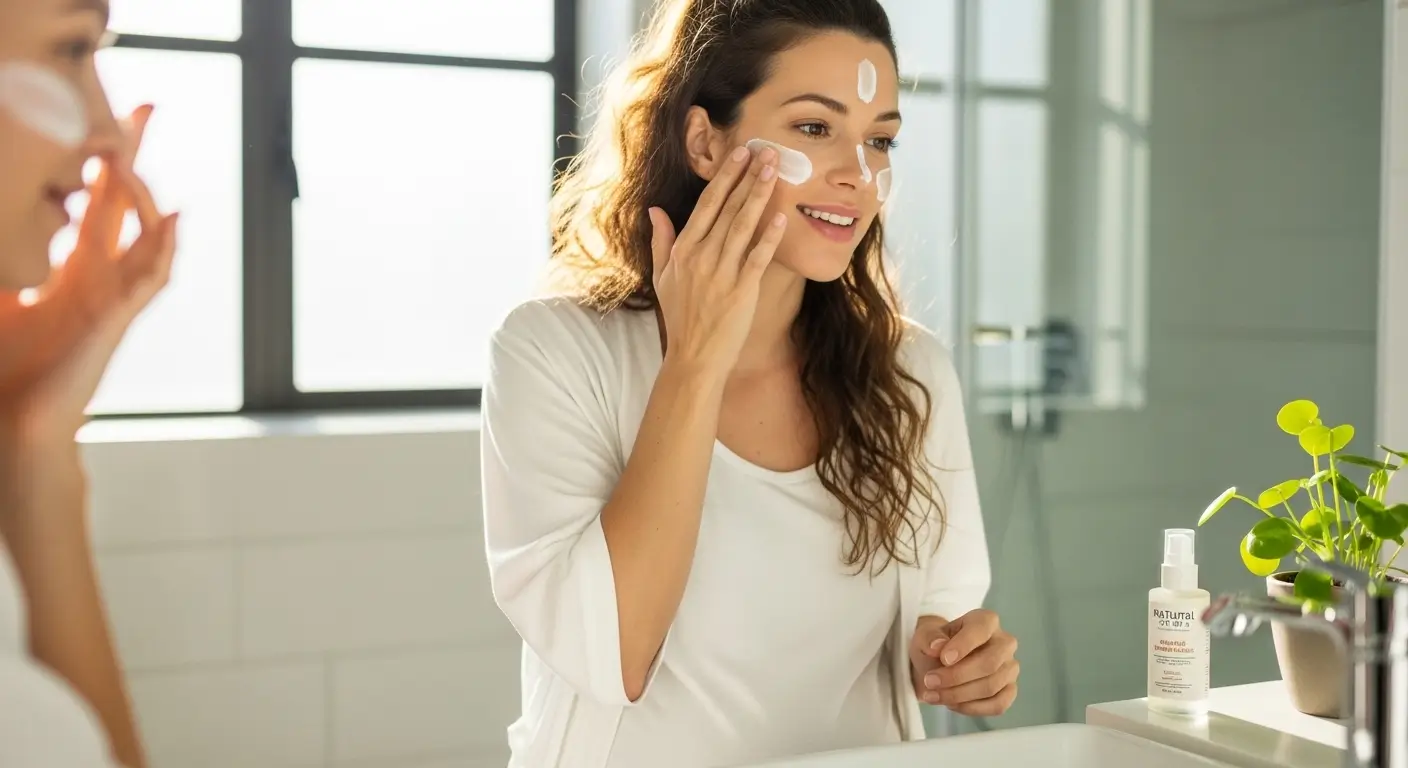
Are you confused about which sunscreen is safe for your baby? 👶 Not all SPF is created equal! Learn why mineral blockers like Zinc Oxide are the gold standard for expecting moms. Check out our full guide on pregnancy-safe sunscreens.
Table of Contents
- 1. Why Sun Protection is Crucial During Pregnancy
- 2. Chemical vs. Mineral Sunscreen: The Safety Debate
- 3. Toxic Ingredients to Avoid While Expecting
- 4. Safe Ingredients: Choosing the Best Pregnancy-Safe Sunscreen
- 5. Expert Tips for Sun Safety and Melasma Prevention
- 6. Frequently Asked Questions (FAQ)
Finding out you’re pregnant brings a wave of joy—and a massive list of questions. Suddenly, everything you eat, drink, and put on your skin feels like it needs a thorough investigation. One of the most common dilemmas I see moms-to-be facing is finding a pregnancy-safe sunscreen that actually works without compromising their baby’s health. 😊
Why Sun Protection is Crucial During Pregnancy ☀️
During pregnancy, your hormones are doing a complex dance. This surge in estrogen and progesterone makes your skin significantly more sensitive to ultraviolet (UV) rays. You might notice dark, blotchy patches appearing on your face—this is Melasma, often called the “mask of pregnancy.”
Without proper sun protection, these patches can become permanent. However, the solution isn’t just grabbing any bottle off the shelf. Because your skin is your body’s largest organ, it can absorb certain chemicals into the bloodstream, which is why choosing a non-toxic, mineral-based formula is so vital for fetal development.
Chemical vs. Mineral Sunscreen: The Safety Debate 🧪
The skincare world is divided into two main camps: Chemical and Mineral (Physical) sunscreens. For pregnant women, the difference is night and day.
- Chemical Sunscreens: These work by absorbing into the skin and converting UV rays into heat. Common ingredients like Oxybenzone have been detected in human blood and even breast milk.
- Mineral Sunscreens: These sit on top of the skin and act as a physical shield, reflecting UV rays like a mirror. They use Zinc Oxide and Titanium Dioxide, which are generally recognized as safe (GRASE) by the FDA.
Toxic Ingredients to Avoid While Expecting ⚠️
When scanning the back of a bottle, look out for these “Red Flag” ingredients. If you see them, it’s best to put the product back.
The “Avoid” List:
- Oxybenzone: A known endocrine disruptor that may interfere with hormones.
- Avobenzone: Often used with other chemicals that can be unstable and irritating.
- Octinoxate: Linked to thyroid issues and skin allergies.
- Retinyl Palmitate (Vitamin A): While great for anti-aging, excessive Vitamin A is discouraged during pregnancy.
- Parabens & Phthalates: Common preservatives that can mimic hormones.
Safe Ingredients: Choosing the Best Pregnancy-Safe Sunscreen 🛡️
So, what should you look for? The gold standard for expecting mothers is a broad-spectrum mineral sunscreen.
1. Zinc Oxide: This is my personal favorite. It provides excellent protection against both UVA and UVB rays and is incredibly soothing for sensitive or inflamed skin.
2. Titanium Dioxide: Another effective physical blocker. It’s often used alongside Zinc Oxide to provide a lightweight texture that doesn’t feel heavy on the skin.
When choosing a product, look for “Non-Nano” versions. Non-nano means the particles are large enough that they cannot be absorbed into the bloodstream through the skin pores, ensuring 100% safety for the baby.
Expert Tips for Sun Safety and Melasma Prevention 💡
Applying your safe sunscreen is only half the battle. To truly prevent hyperpigmentation and protect your skin, follow these professional tips:
- Reapply Every 2 Hours: Mineral sunscreens can rub off or sweat away. If you’re outdoors, a fresh layer is mandatory.
- Use Tints for Blue Light: If you struggle with melasma, look for a tinted mineral sunscreen. Iron oxides (used for color) help protect against blue light from screens, which can also trigger pigment.
- Physical Barriers: Don’t rely on cream alone. A wide-brimmed hat and UV-rated sunglasses are your best friends during the third trimester.
- Stay Hydrated: Sun exposure dehydrates the skin. Keep your moisture barrier strong with pregnancy-safe hyaluronic acid or ceramides.
Frequently Asked Questions (FAQ) ❓
Q: Is SPF 50 necessary, or is SPF 30 enough?
A: SPF 30 blocks about 97% of UVB rays, while SPF 50 blocks 98%. The most important factor is “Broad Spectrum” protection and consistent reapplication rather than just a higher number.
Q: Can I use spray sunscreens during pregnancy?
A: It’s safer to use lotions. Spray sunscreens pose an inhalation risk, and it’s hard to ensure you’ve applied a thick enough layer for full protection.
Q: Does mineral sunscreen leave a white cast?
A: Some do, but modern formulations—especially tinted ones or those using micronized zinc—blend beautifully into all skin tones without the “ghostly” look.
Disclaimer: This guide is for informational purposes. Always consult with your OB-GYN or dermatologist before starting a new skincare regimen during pregnancy. Stay safe and enjoy that pregnancy glow! 😊
“The Ultimate Guide to Pregnancy Safe Sunscreen: Protect Your Glow”에 대한 1개의 생각