
Discover the definitive Scalp Care Trends 2026. From AI diagnostics to regenerative biotech and neuro-glow wellness, explore the future of healthy hair growth.
Let’s be honest for a second. A few years ago, “scalp care” basically meant buying an anti-dandruff shampoo and calling it a day. But if you’ve been paying attention to the beauty aisles lately, you know the game has completely changed.
In 2025, we saw the explosion of the “skinification” of hair—treating our scalps with the same rigor as our faces. We obsessed over the scalp microbiome and realized that a balanced barrier is non-negotiable for healthy hair. But as we look toward Scalp Care Trends 2026, we are moving beyond just “balancing.” We are entering an era of regeneration, high-tech personalization, and a holistic mind-body connection.
I’ve dived deep into the emerging research and market shifts to bring you a comprehensive guide on what’s next. Whether you are battling thinning hair or just want that glass-hair shine, understanding these trends is your secret weapon. Let’s explore the future of your follicles.
Table of Contents
- 1. Why Scalp Health is the New Skincare
- 2. Major Scalp Care Trends 2026
- 3. Science Meets Nature: Ingredients to Watch
- 4. High-Tech Home Solutions & AI
- 5. 10 Essential Scalp Care Tips for 2026
- 6. Mistakes to Avoid in 2026
- 7. Frequently Asked Questions
Why Scalp Health is the New Skincare
You wouldn’t plant a garden in concrete and expect flowers to bloom, right? The same logic applies to your hair. The scalp is literally an extension of your facial skin, yet it ages six times faster than the skin on your face and body.
As we approach 2026, the philosophy is shifting from reactive (fixing dandruff or itchiness) to proactive (optimizing the follicle environment for growth). The focus is now on cellular energy and longevity. We are no longer just washing hair; we are engaging in a ritual of scalp preservation.
Major Scalp Care Trends 2026
1. Neuro-Glow: The Mind-Scalp Connection
This is arguably the most fascinating shift. We know stress causes hair loss (thanks, cortisol), but Scalp Care Trends 2026 are bringing “psychodermatology” to the forefront. Expect to see products infused with adaptogens like Ashwagandha and topical Melatonin.
These aren’t just buzzwords. Topical melatonin, for instance, is being recognized not for sleep, but as a potent antioxidant that can extend the anagen (growth) phase of the hair cycle. It’s about treating the scalp to treat the nervous system, and vice versa.
2. Biotech & Regenerative Scalp Care
Clean beauty is evolving into biotech beauty. Instead of harvesting tons of natural resources, labs are bio-fermenting ingredients to create identical, potent molecules. In 2026, look for Exosomes and Growth Factors in your serums. These act as messengers, telling your lazy follicles to wake up and get back to work. It’s regenerative medicine applied to your morning routine.
3. The Evolution of “Skinification”
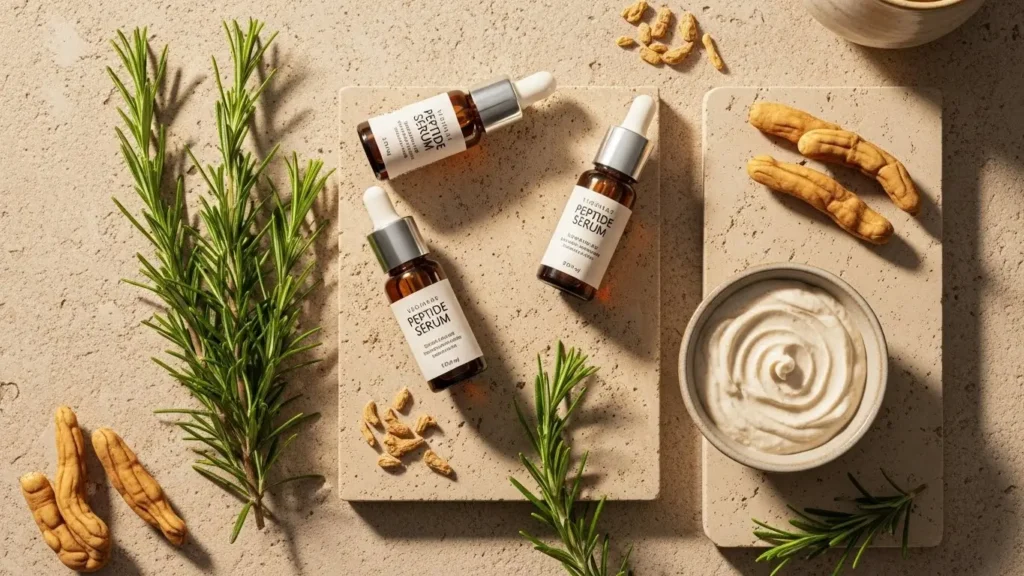
We are moving past simple hyaluronic acid. The new wave involves sophisticated Peptide Complexes specifically designed to inhibit DHT (the hormone responsible for androgenetic alopecia) without the side effects of harsh pharmaceuticals. Copper peptides, in particular, will be everywhere in 2026 for their ability to increase hair follicle size.
Science Meets Nature: Ingredients to Watch
The divide between “natural” and “chemical” is blurring. The best products of 2026 will combine the wisdom of botany with the precision of science.
🌿 The 2026 Power Players:
- Rosemary Oil (Micro-encapsulated): Nature’s answer to minoxidil. New formulations will use encapsulation tech to reduce greasiness and enhance penetration.
- Caffeine: Not just for your coffee. It stimulates blood flow and blocks DHT topically.
- Centella Asiatica (Cica): The ultimate soother for the inflamed, red, or itchy scalp barrier.
- Rice Water Ferments: Upgraded with biotech for consistent protein delivery (Inositol) to strengthen the hair shaft from the root.
High-Tech Home Solutions & AI
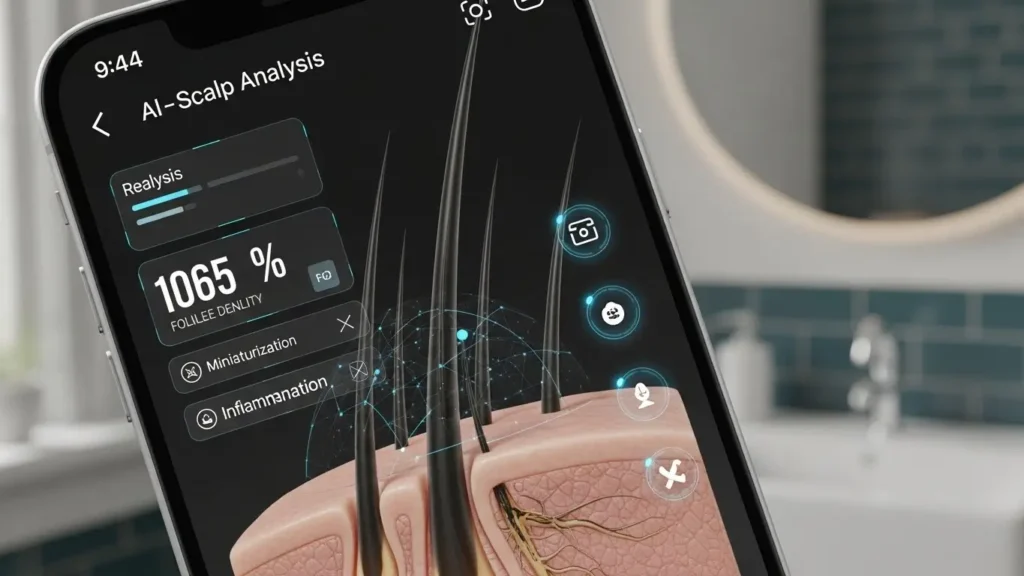
Gone are the days of guessing what your scalp needs. AI-Driven Routines are huge in Scalp Care Trends 2026. Picture this: You use a specialized lens attached to your smartphone to scan your scalp. An app analyzes sebum levels, follicle density, and redness, then prescribes a custom serum mix for that week.
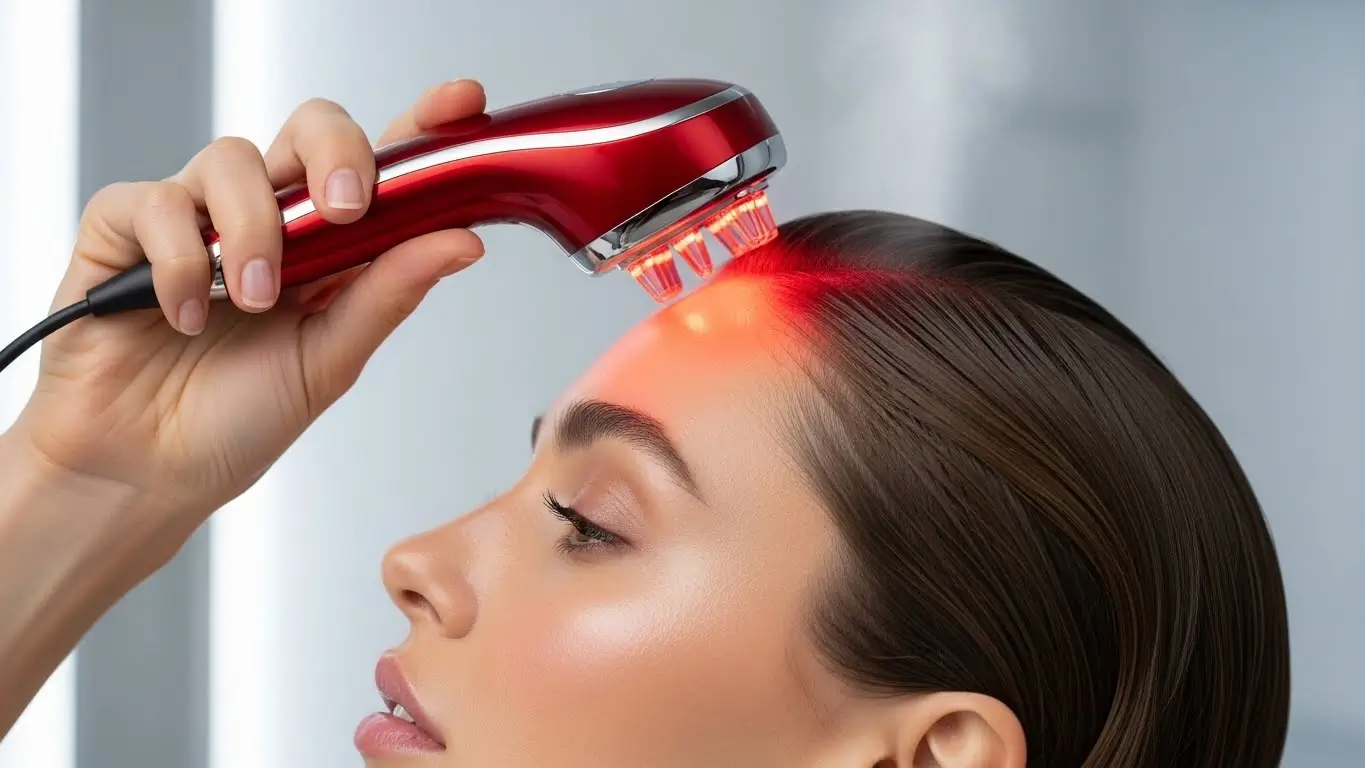
Furthermore, Red Light Therapy (LLLT) is going mainstream. It’s no longer just clunky helmets; sleek, baseball-cap style devices and targeted wand tools will become standard bathroom accessories to boost cellular energy (ATP) in hair follicles.
Micro-needling (Derma rolling) tools designed specifically for the scalp contour are also rising, enhancing the absorption of those expensive peptide serums by creating micro-channels in the skin.
10 Essential Scalp Care Tips for 2026
Based on these emerging trends, here is your cheat sheet for optimal scalp health in the coming year:
- Double Cleanse Your Scalp: Just like your face, use an oil-based pre-cleanser to dissolve sebum, followed by a gentle shampoo.
- Weekly Exfoliation: Use chemical exfoliants (Salicylic or Glycolic acid) rather than harsh physical scrubs to remove buildup.
- Feed Your Follicles: Supplement with Vitamin B Complex (Biotin, B12) and high-quality Omega-3s.
- Massage Daily: Use a silicone massager or your fingers for 4 minutes daily to increase blood flow.
- Protect Your Part: The scalp can get sunburned too. Use SPF powders or wear hats to prevent UV damage to stem cells.
- Manage Cortisol: Incorporate stress-reduction techniques; your hair literally falls out when you are stressed.
- Switch to Silk: Silk pillowcases reduce friction and keep scalp oils balanced.
- Filter Your Water: Hard water buildup is a silent scalp killer. Invest in a shower filter.
- Patch Test Natural Oils: Essential oils are potent. Always dilute rosemary or peppermint oil before applying.
- Listen to Your Scalp: If it’s tight, it needs hydration. If it’s greasy, it needs balancing. Don’t stick to a routine that isn’t working.
Mistakes to Avoid in 2026
As we embrace these new Scalp Care Trends 2026, ensure you aren’t falling into common traps.
1. Over-using Dry Shampoo: It’s a lifesaver, but relying on it clogs follicles and disrupts the microbiome. It is not a substitute for washing.
2. Applying Conditioner to the Roots: Unless specifically formulated for the scalp, conditioners can weigh down roots and cause buildup.
3. Ignoring pH Balance: The scalp prefers a slightly acidic environment (around pH 5.5). Alkaline products can strip the protective acid mantle.
Conclusion
The Scalp Care Trends 2026 represent a sophisticated blend of biotechnology, holistic wellness, and personalized data. We are moving away from covering up bad hair days to cultivating an ecosystem where great hair wants to grow.
Whether you incorporate a rosemary oil massage into your Sunday routine or invest in an AI-powered scalp scanner, the takeaway is clear: Healthy hair starts at the root. Don’t wait until you see an issue to start caring for your scalp. Start today, and your future self (and your hair) will thank you.
Frequently Asked Questions (FAQ)
Q: What is the biggest scalp care trend for 2026?
A: The biggest trend is “Neuro-Glow” and regenerative biotech. This involves products that target the mind-skin connection (using ingredients like adaptogens) and biotech ingredients like exosomes to regenerate hair at the cellular level.
Q: Is rosemary oil really effective for hair growth?
A: Yes. Studies have shown that rosemary oil can be as effective as 2% minoxidil in promoting hair growth, but without some of the side effects like itching. It works by improving circulation and inhibiting DHT.
Q: How often should I exfoliate my scalp?
A: For most people, once a week is sufficient. If you have a very oily scalp or use a lot of styling products, you might benefit from twice a week. Avoid over-exfoliating, as it can damage the skin barrier.
Q: Can red light therapy actually regrow hair?
A: Red light therapy (Low-Level Laser Therapy) is clinically proven to stimulate cellular activity and increase blood flow to hair follicles, which can thicken hair and promote new growth in people with androgenetic alopecia.
Disclaimer: The information provided in this article is for educational and informational purposes only and does not constitute medical advice. It is not intended to be a substitute for professional medical advice, diagnosis, or treatment. Always seek the advice of your physician or other qualified health provider with any questions you may have regarding a medical condition.
“Scalp Care Trends 2026: The Future of Hair Growth & Wellness”에 대한 11개의 생각